PORTFOLIO
AFTER THE FLUD (COMMING SOON)
A changing climate
A Changing Climate
The social climate in the Netherlands is changing. Between 2015 and 2022, the number of demonstrations more than tripled. In Amsterdam alone, a record was reached in 2025 with 3,323 protests annually. This documentary looks at the people behind these protests across the Netherlands.
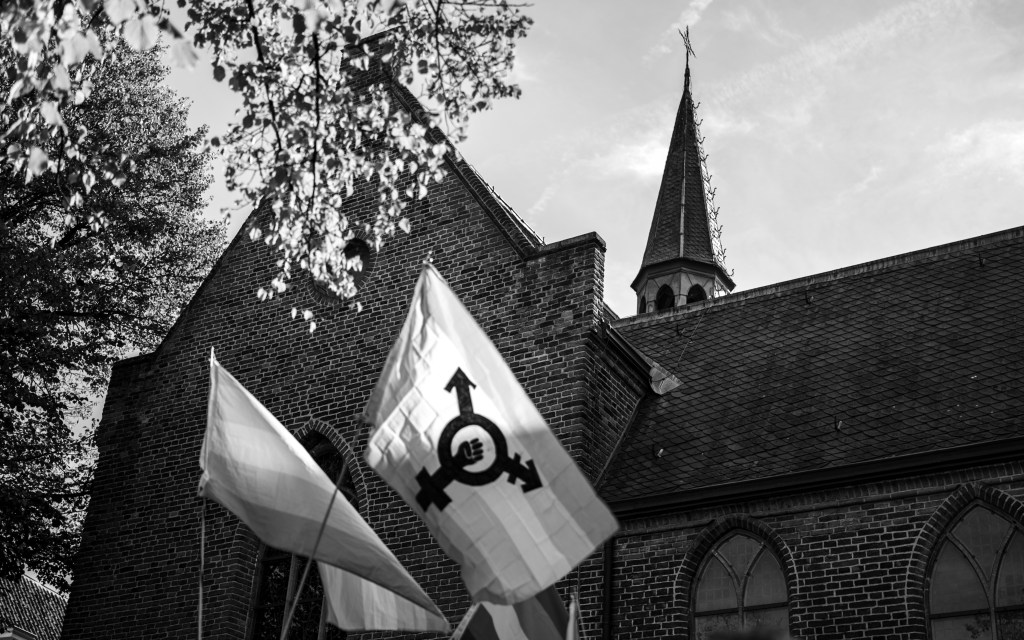
In each of them, human rights or the climate is at stake. Yet the demonstrations differ. Some are loud and massive, others small and quiet. What they share is the same movement: people taking to the streets and claiming space for something that matters to them.
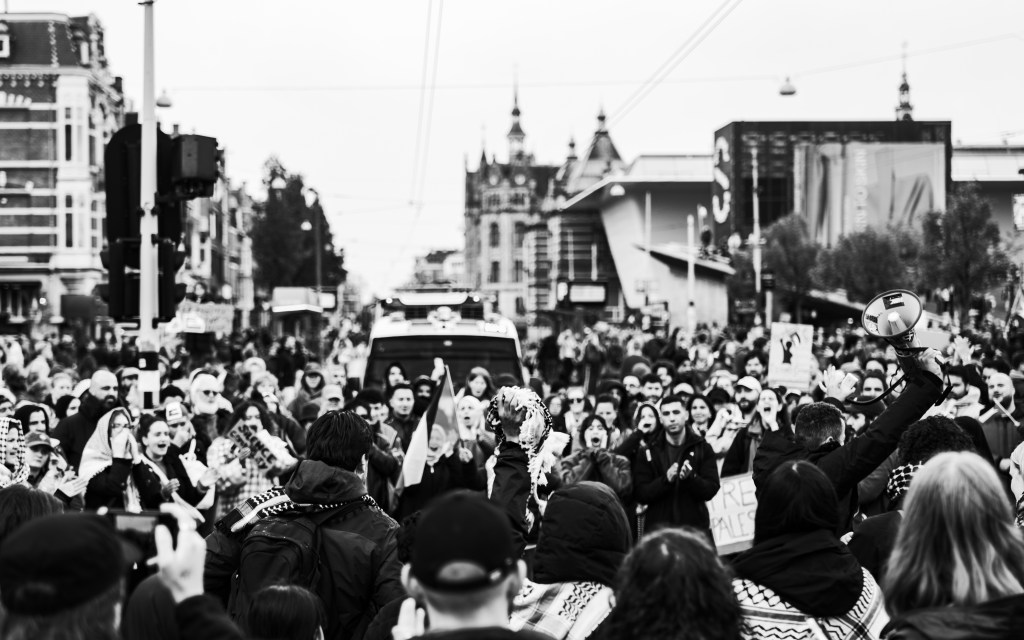
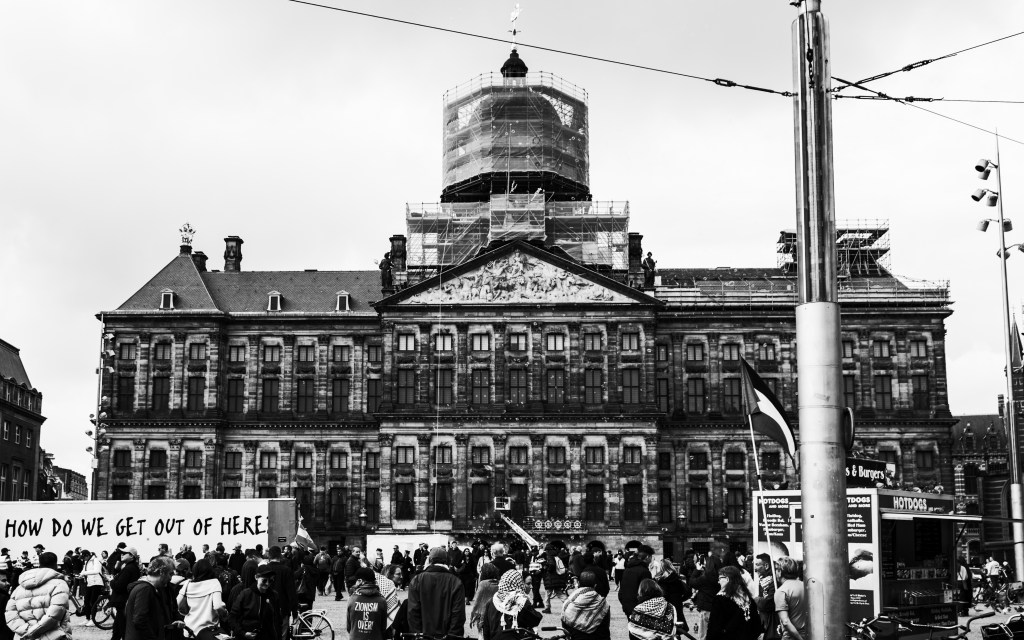
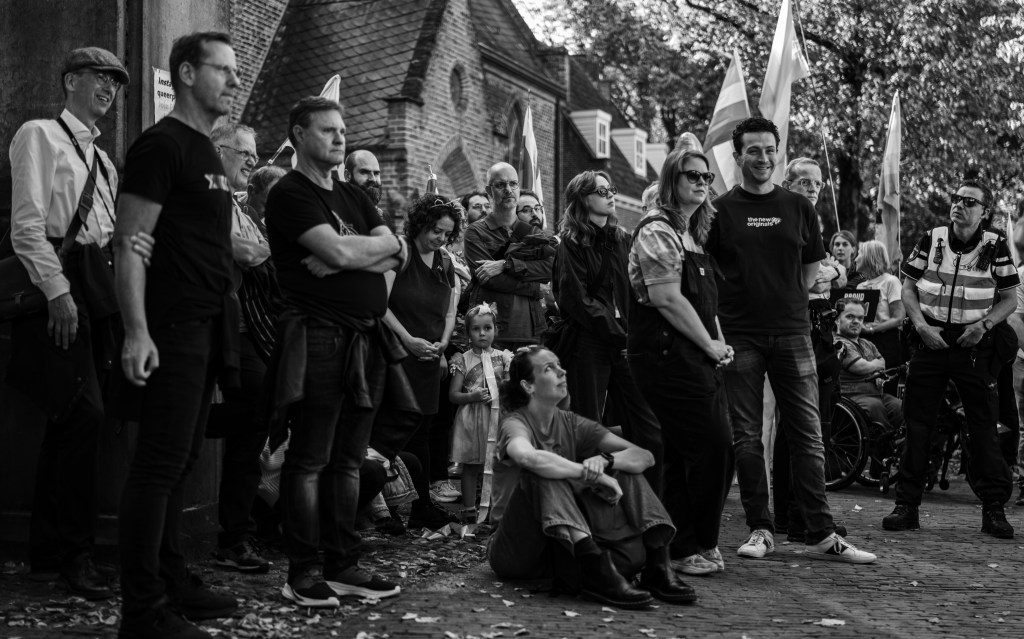
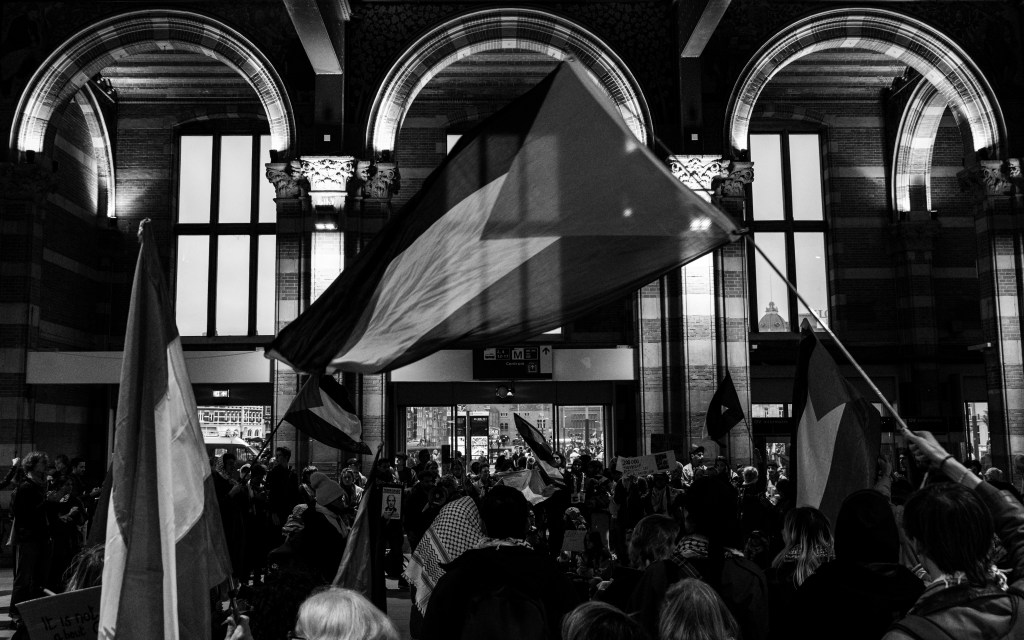
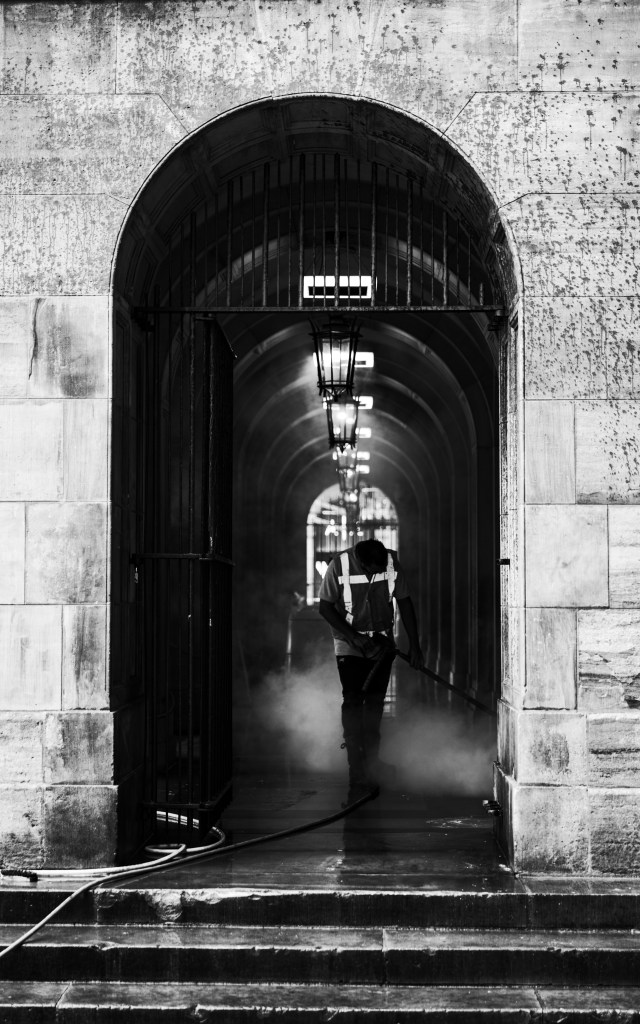
In Amsterdam, some 250,000 people dressed in red and drew a red line through the city. They asked the Dutch government to draw a red line of its own: concrete measures against Israel over the war in Gaza, including sanctions and an arms embargo. The prime minister at the time, Dick Schoof, said he understood their anger and concerns, but announced no change of course. Two days later, on 7 October, two years after the Hamas attack on Israel, people gathered to stand up for the hostages who were still being held captive. There was a heavy police presence on the streets, and that morning the Royal Palace on Dam Square had been sprayed with red paint. A small pro-Palestinian protest group was present. A man blew soap bubbles across the entire square.
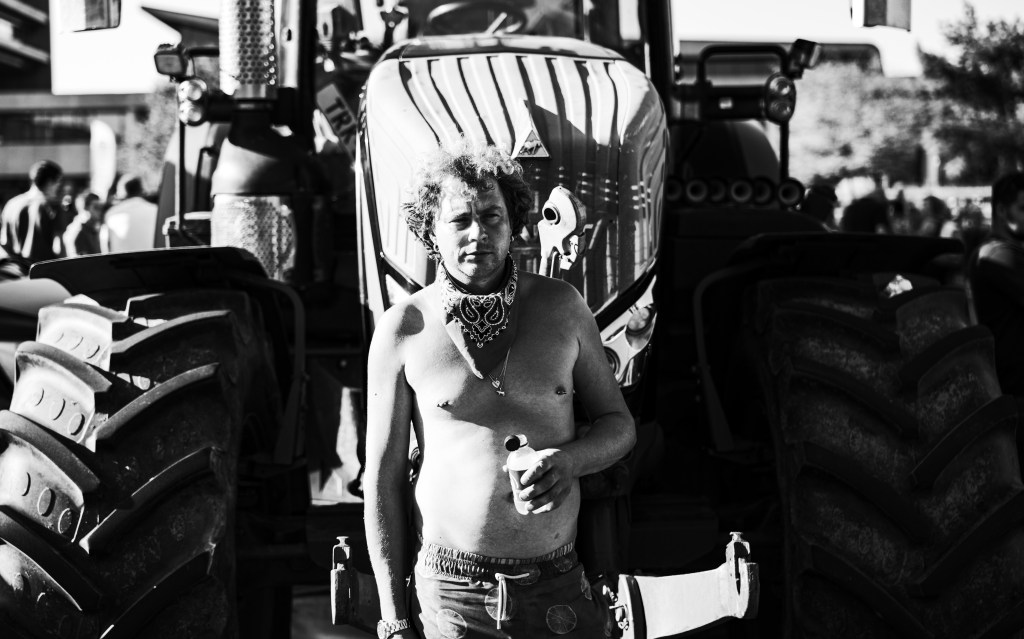
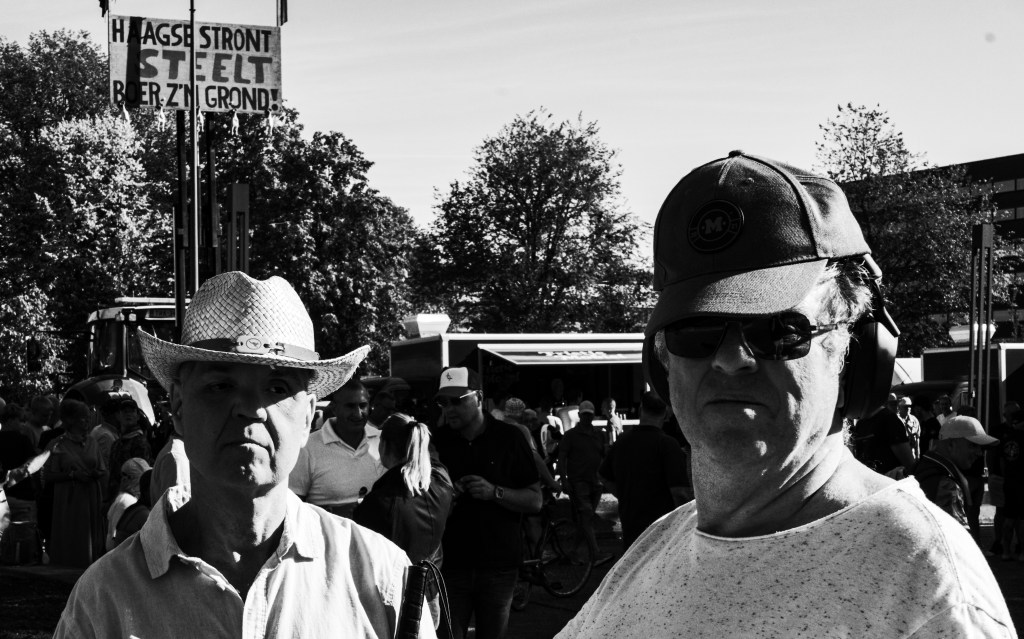
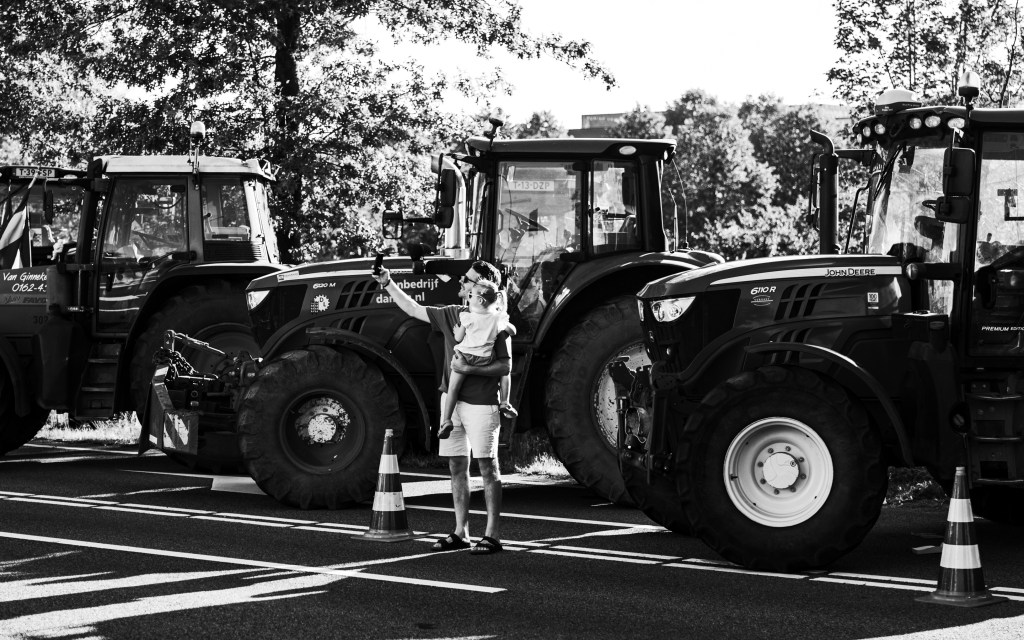
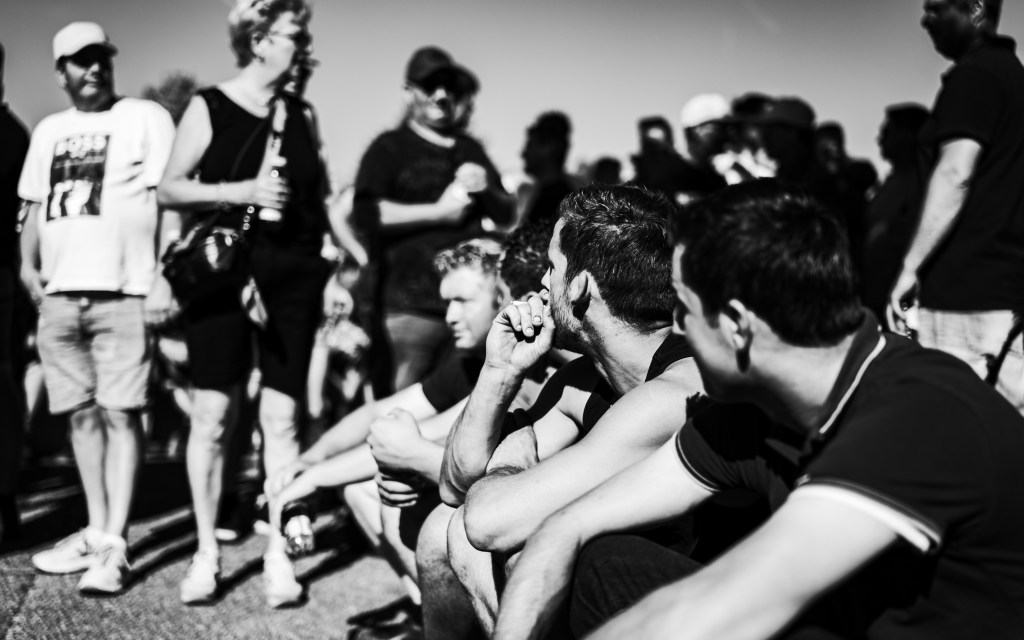
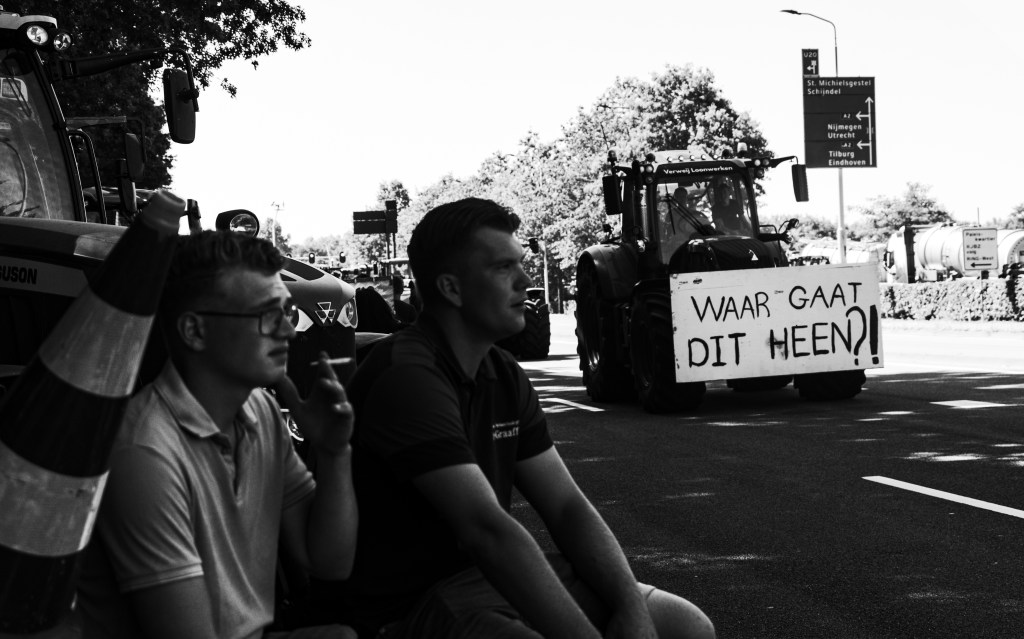
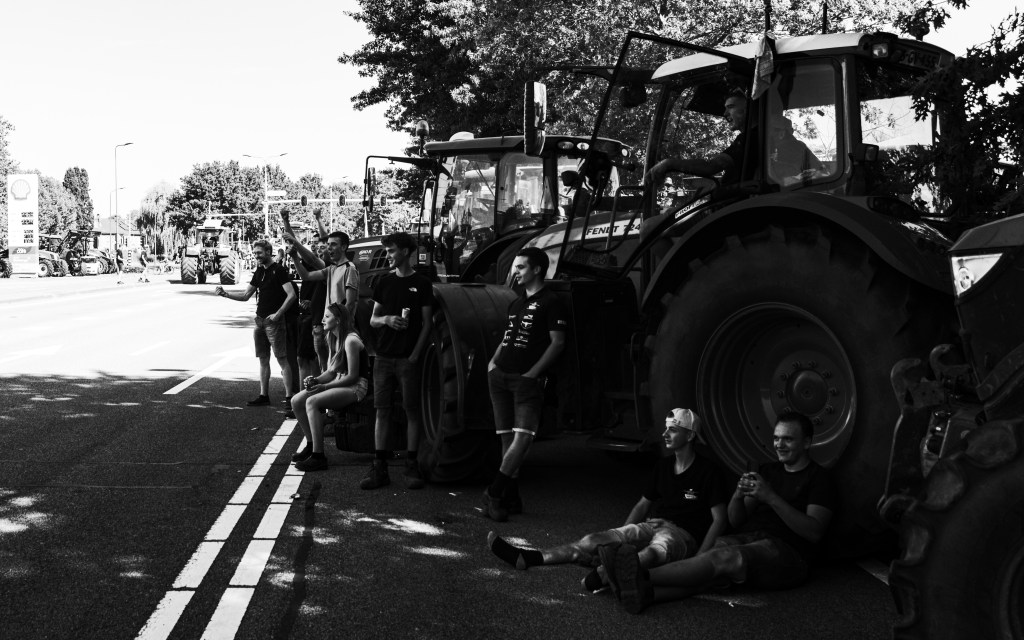
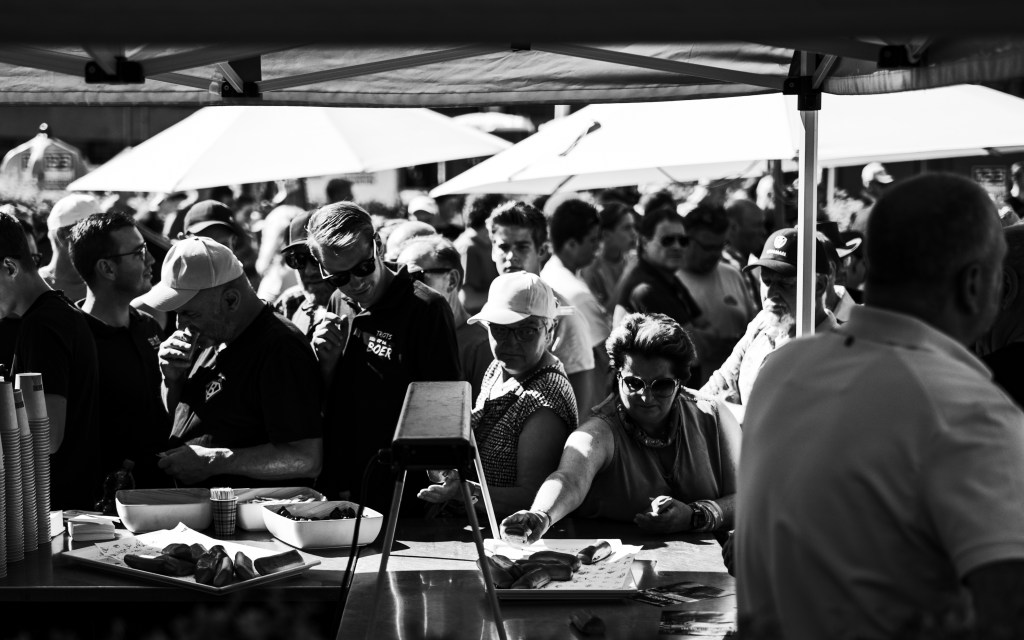
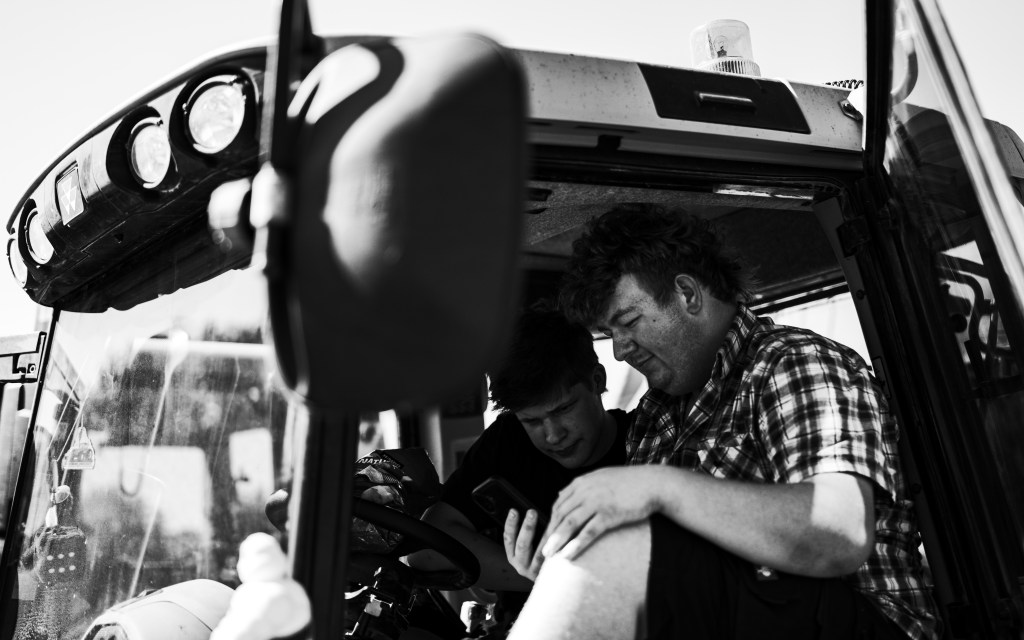
In Den Bosch, hundreds of farmers came to the provincial government building, many by tractor, after the province moved to withdraw permits. Farmers told me about their history. About the abolished milk quota, after which they expanded their businesses, only to face phosphate limits within two years that forced them to reduce their herds again. I was told that some went bankrupt and lost everything their families had built over generations. The farmers were angry, and the police could not stop them from parking their tractors along the emergency lane. Although it was not allowed, some tractors took the highway to the provincial government building. On the A59 near Heesch, a traffic jam formed behind them, and at the tail end of the queue, two people died in a car accident.
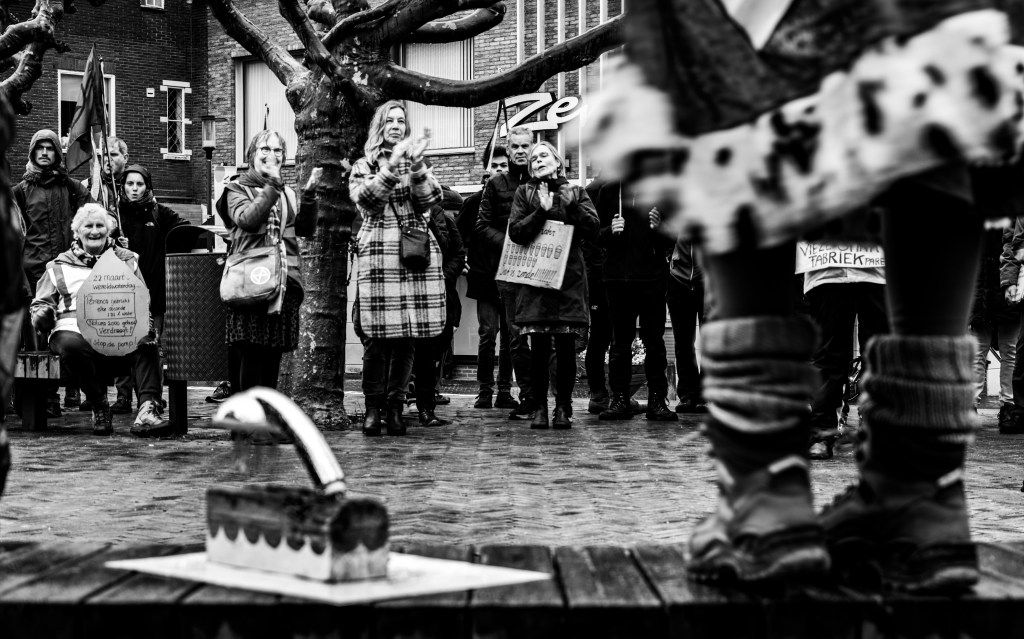
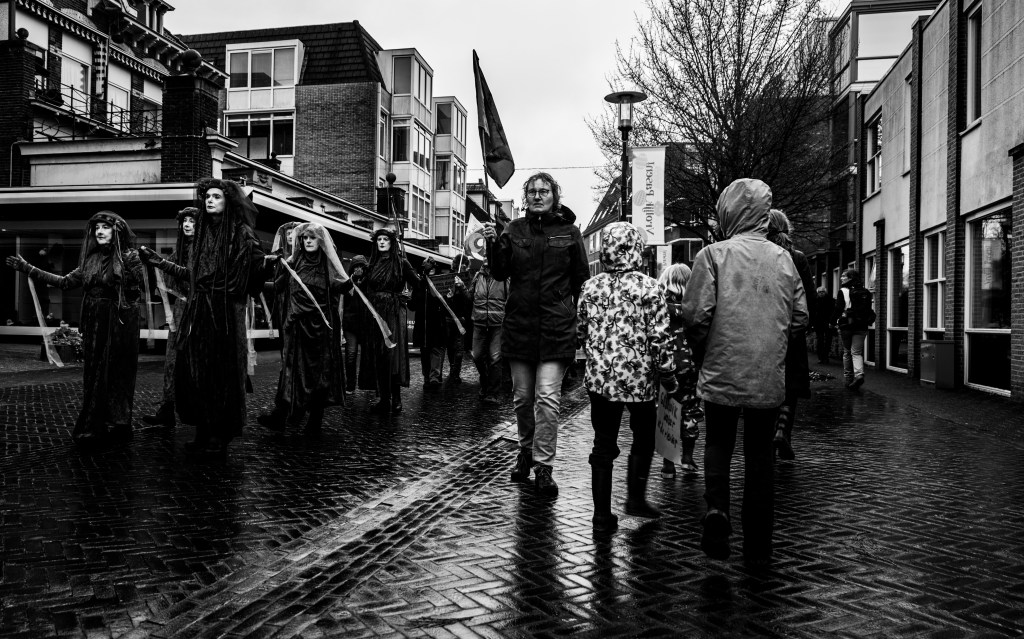
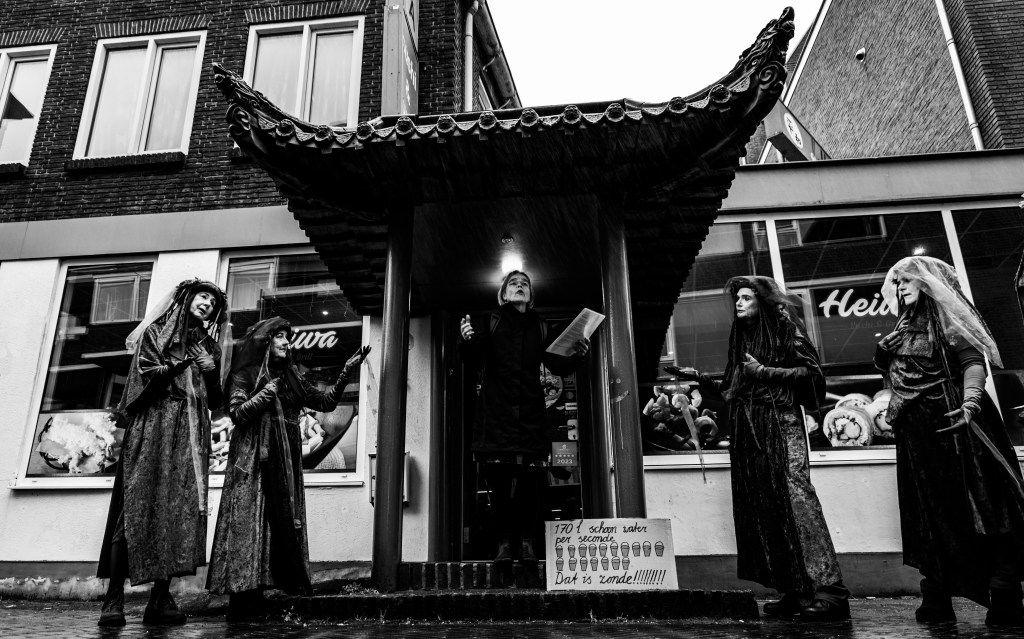
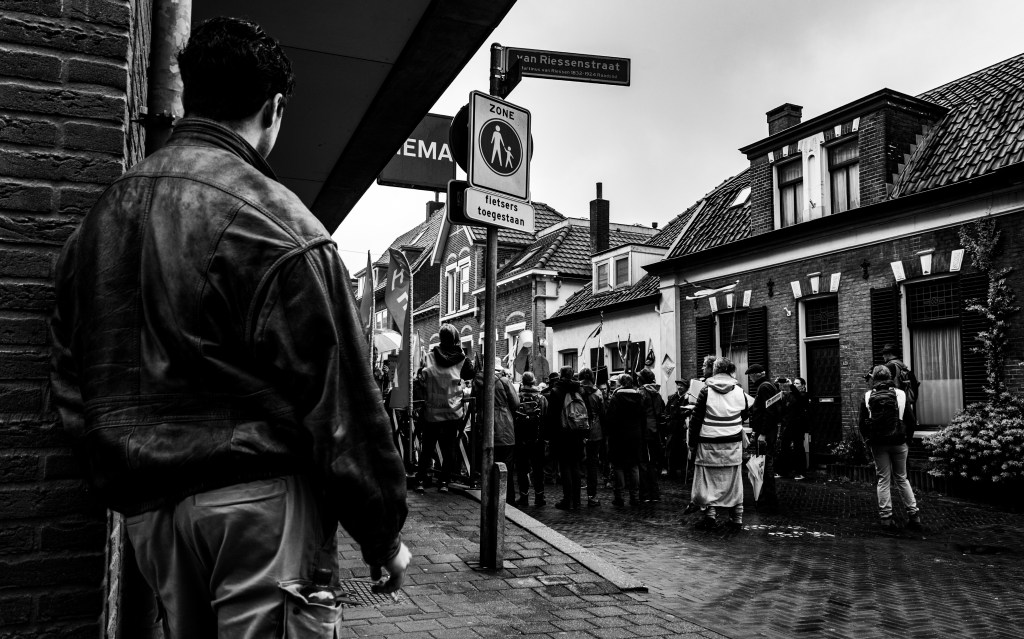
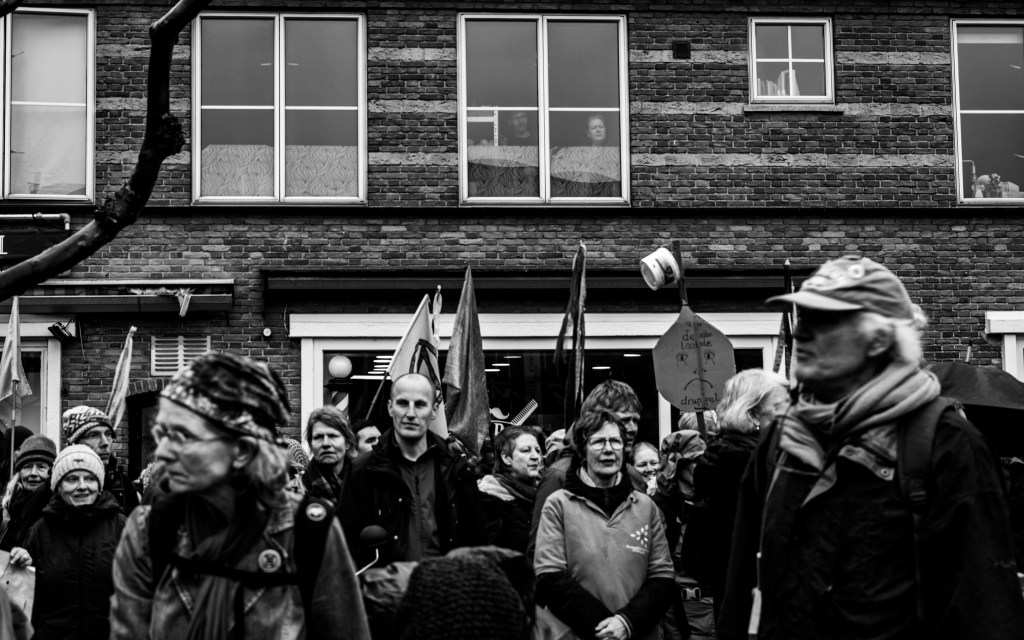
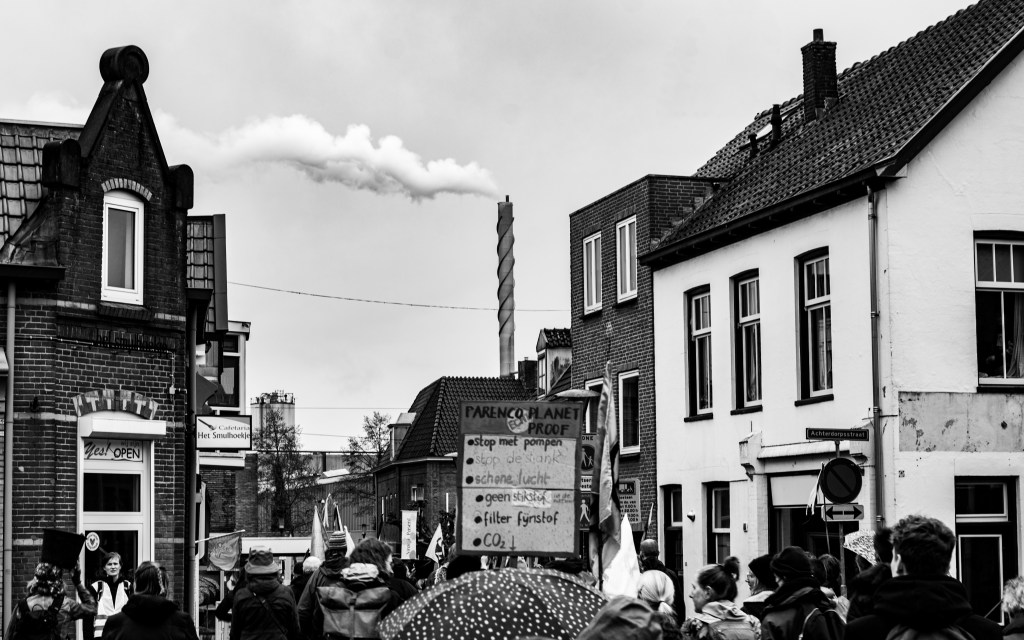
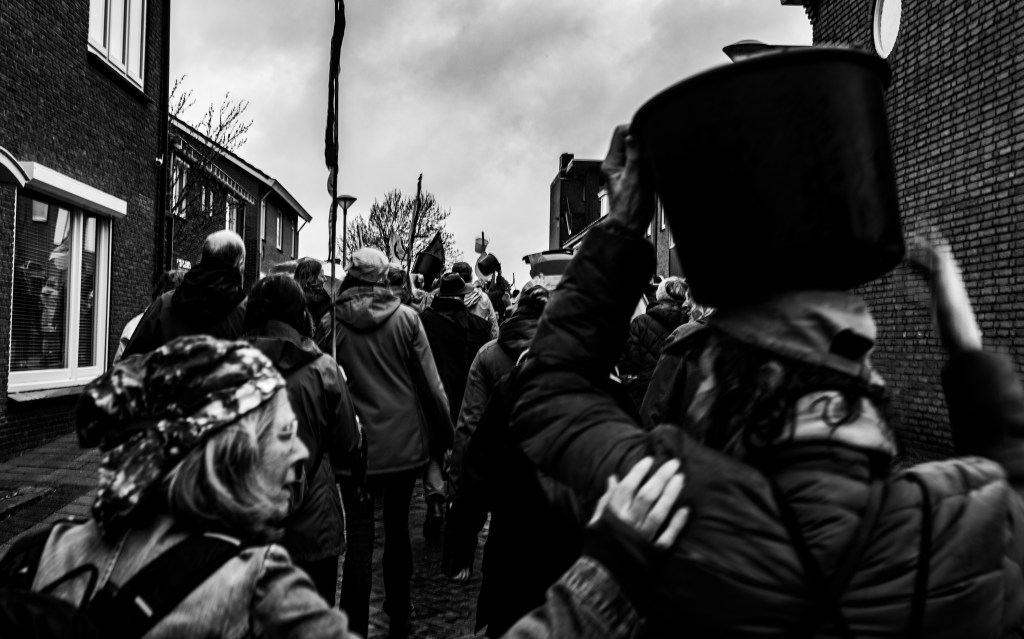
In Renkum, I followed Extinction Rebellion Arnhem as they protested against groundwater extraction by the paper mill Parenco. It was a somewhat older group of people, passionate about preserving the nature of the Veluwe. What struck me was that they were standing up for nature and for its future, yet my impression was that they paid little attention to the younger generation cheering and walking alongside them. They seemed immersed in their protest.
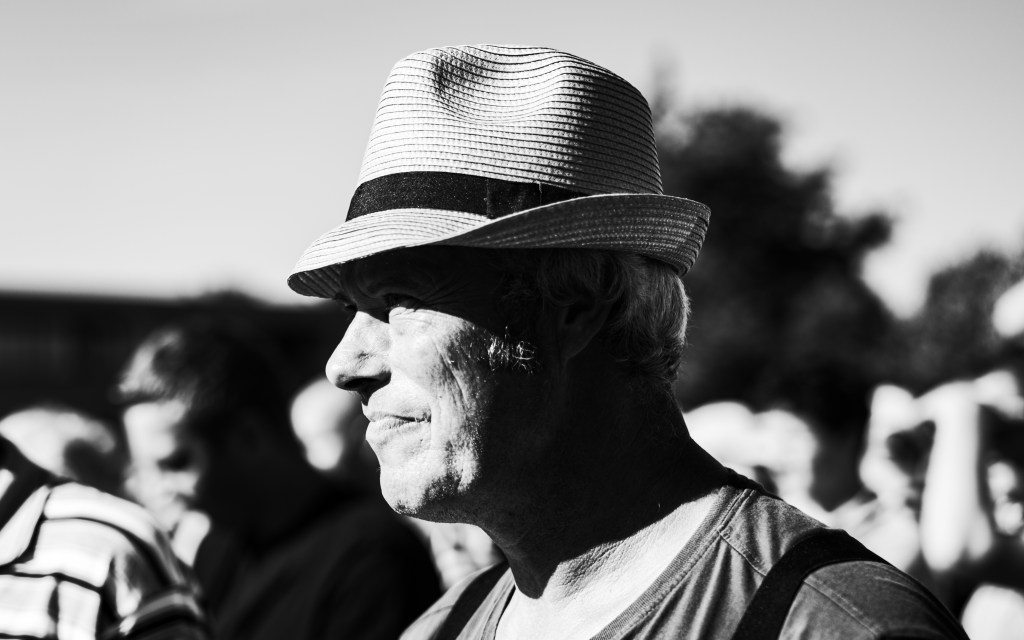
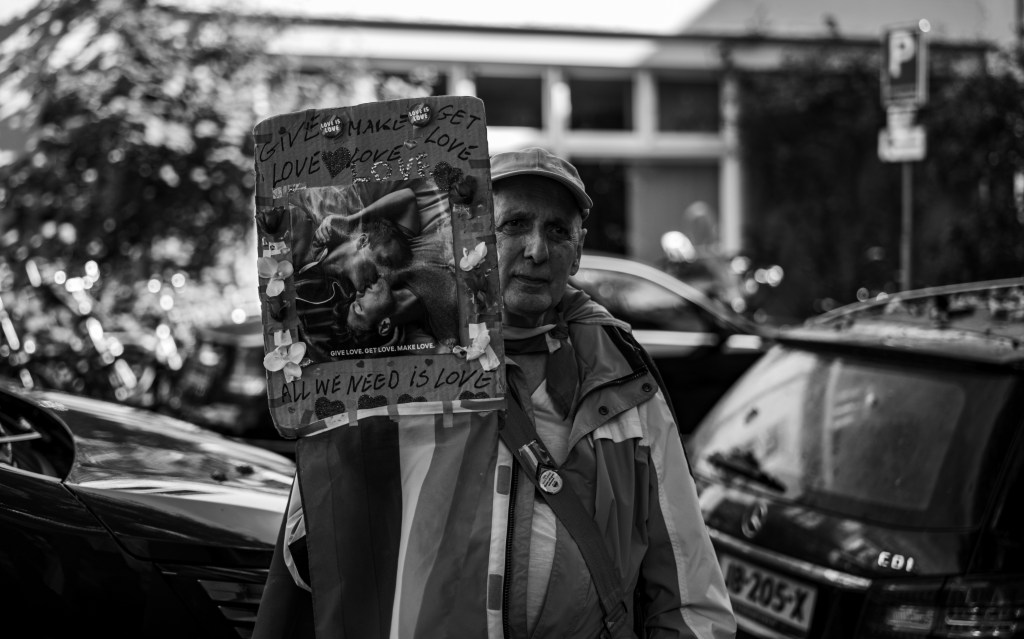
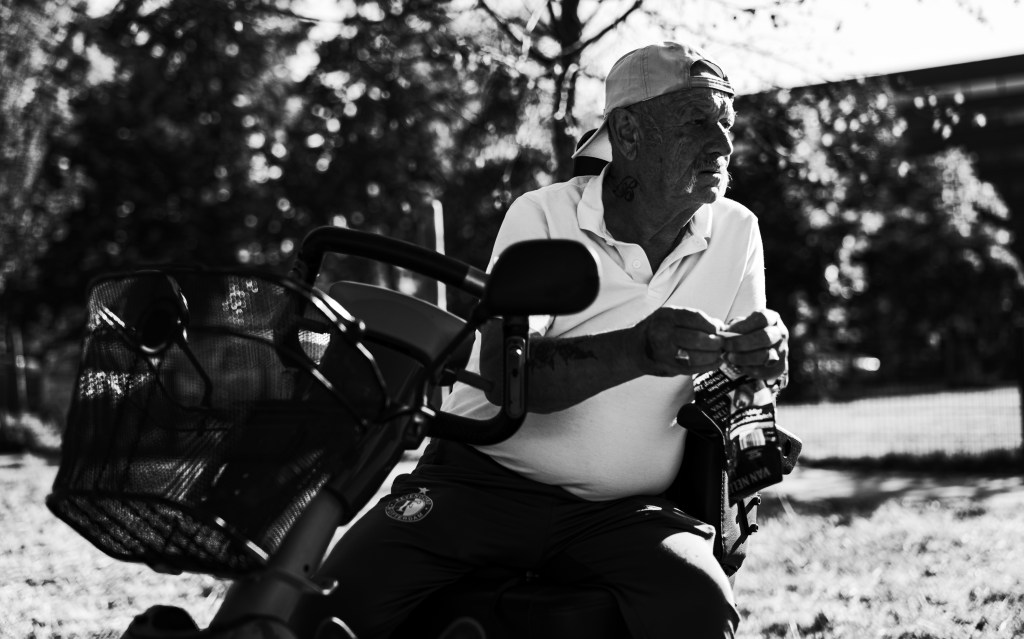
Portraits and wide shots of different demonstrations are placed side by side, revealing unexpected similarities. Rather than telling a single story about protest, they form a mosaic of people and convictions.