portfolio
AFTER THE FLUD (COMMING SOON)
la Cordillera de los Andes
la Cordillera de los Andes
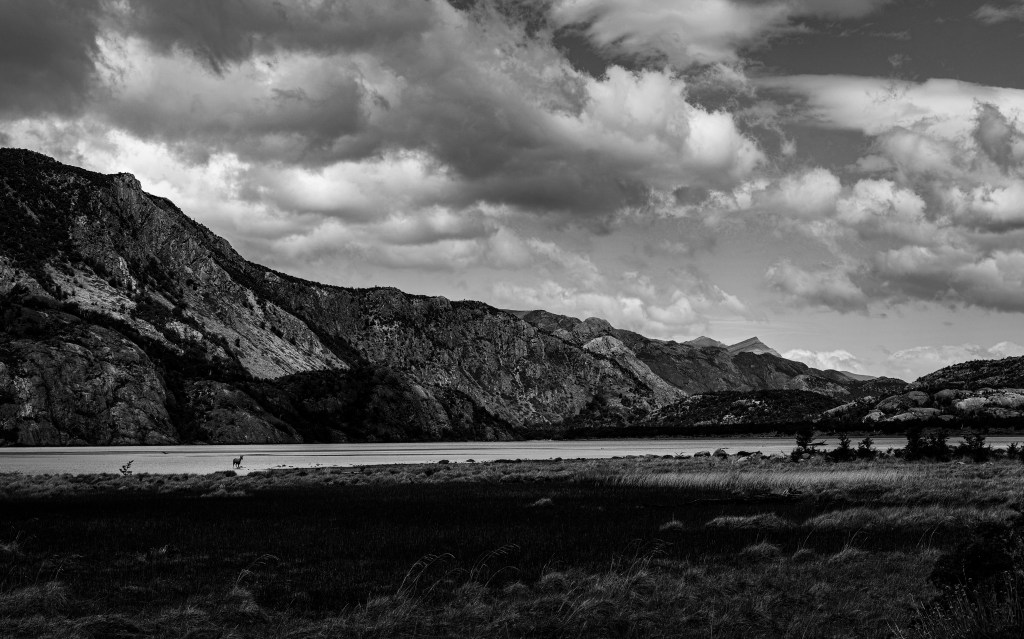
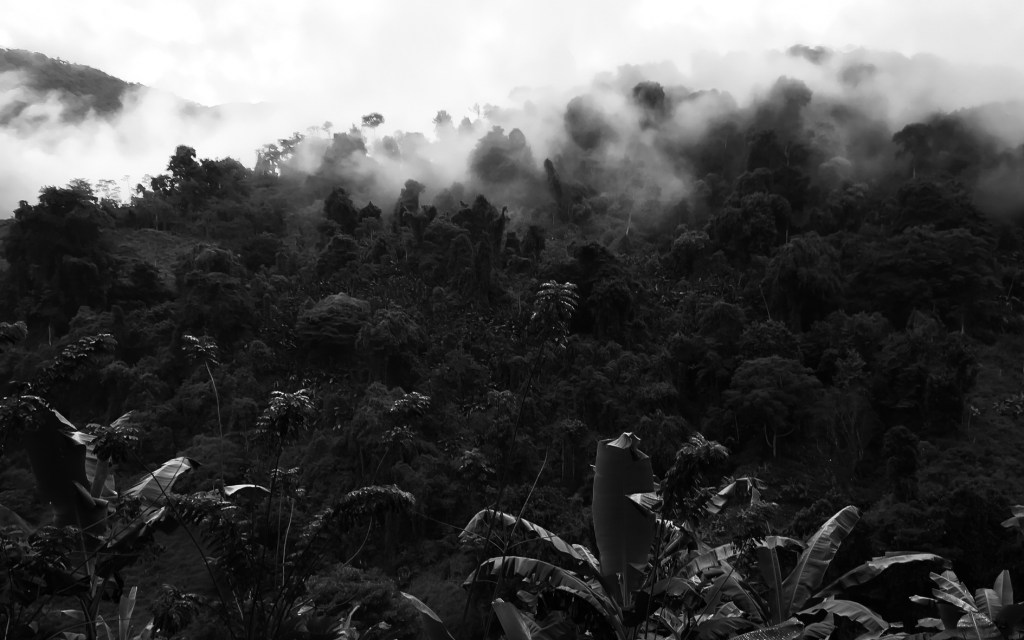
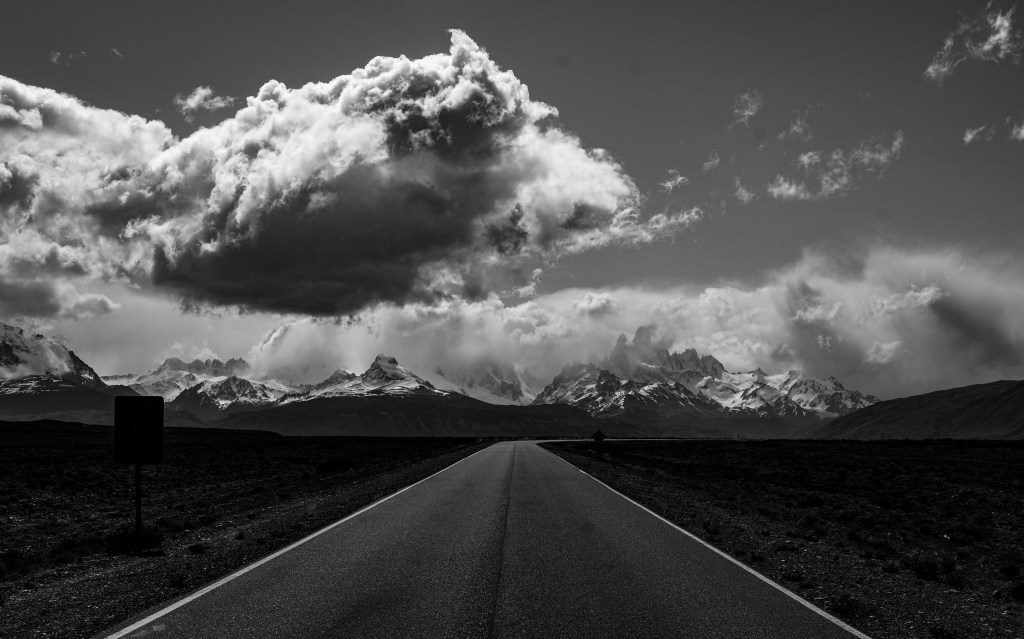
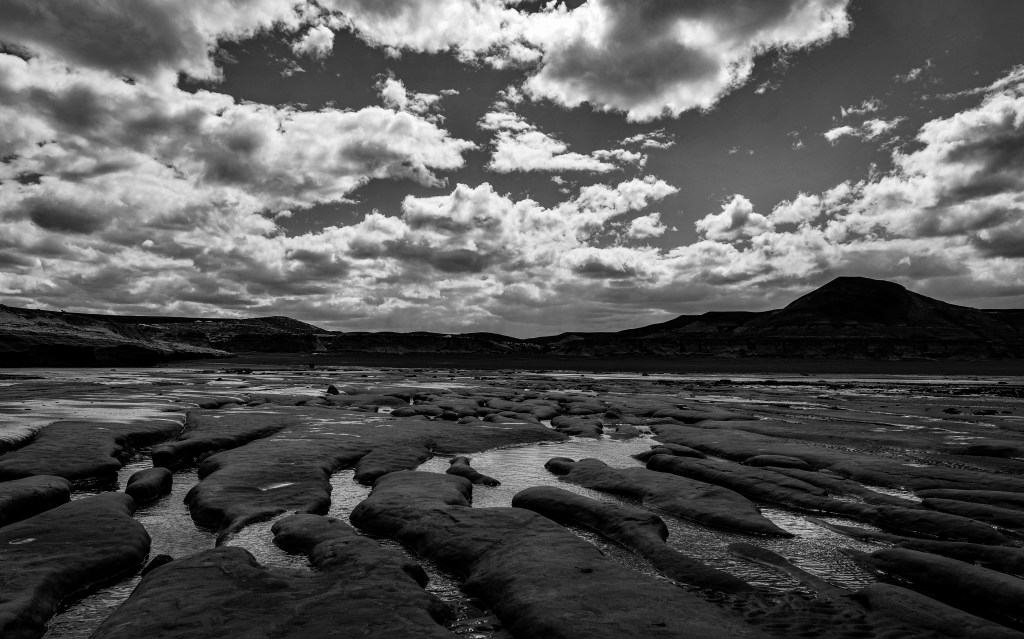
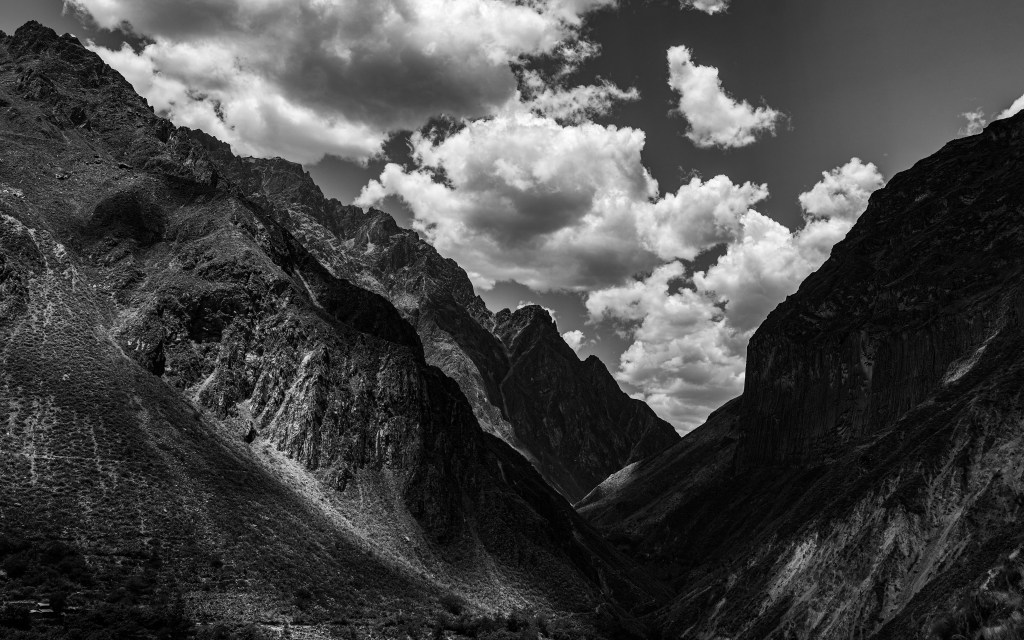
For more than seven thousand kilometres, the Andes stretch along the length of South America. From the green slopes of Colombia to the windswept plains of Patagonia, the landscape seems majestic and indifferent, yet the mountains bear the marks of people who have lived alongside them for centuries.
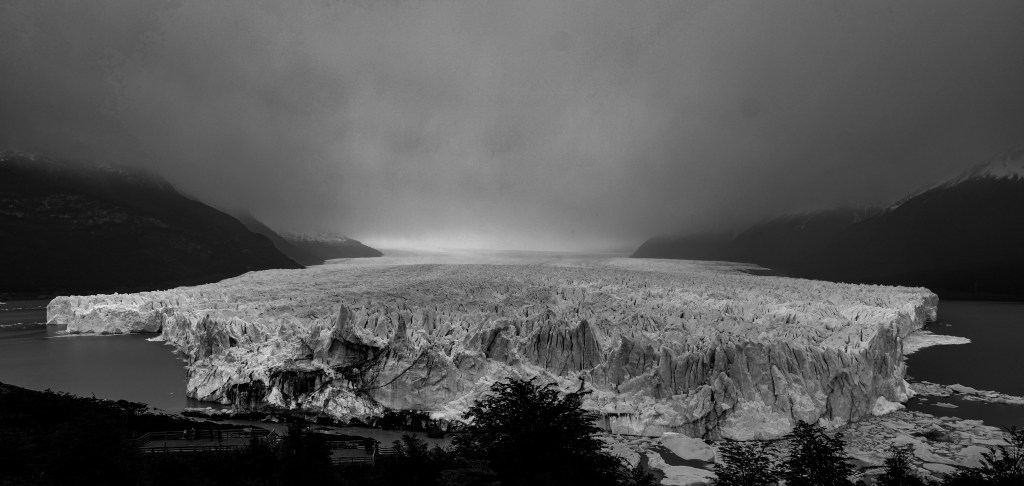
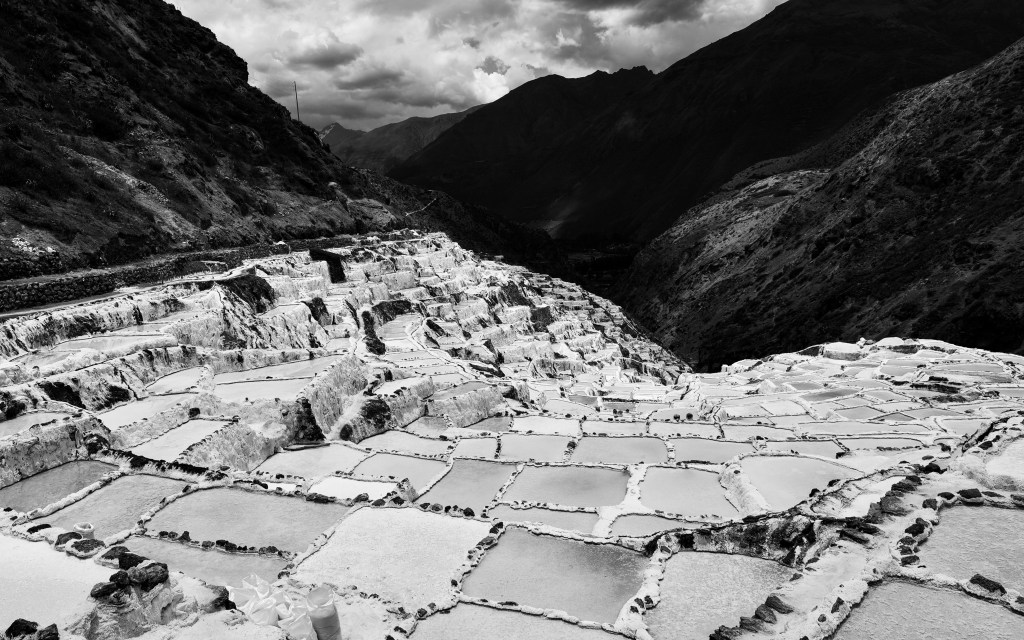
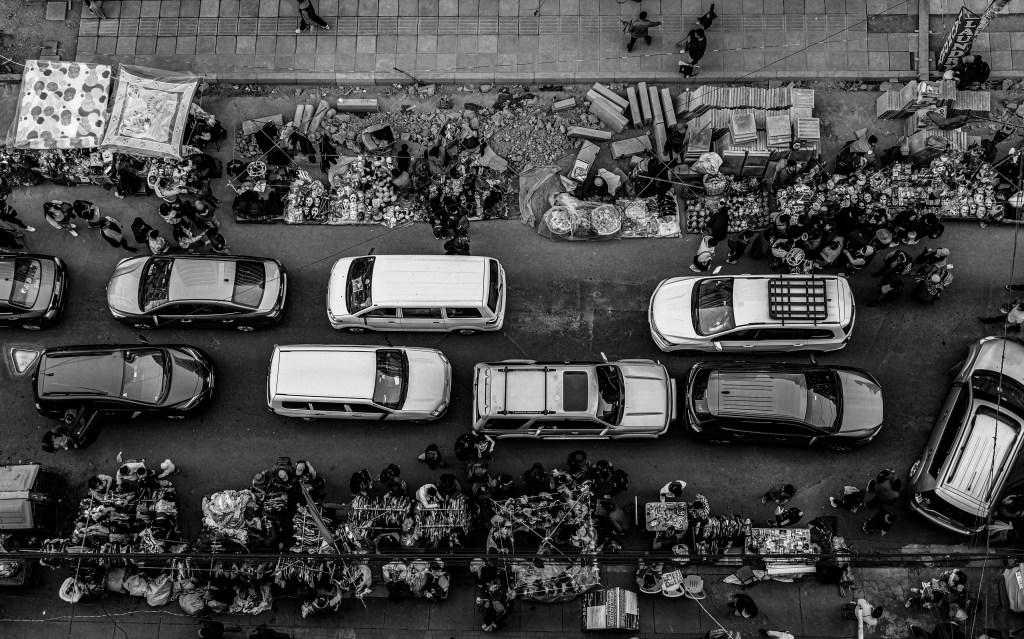
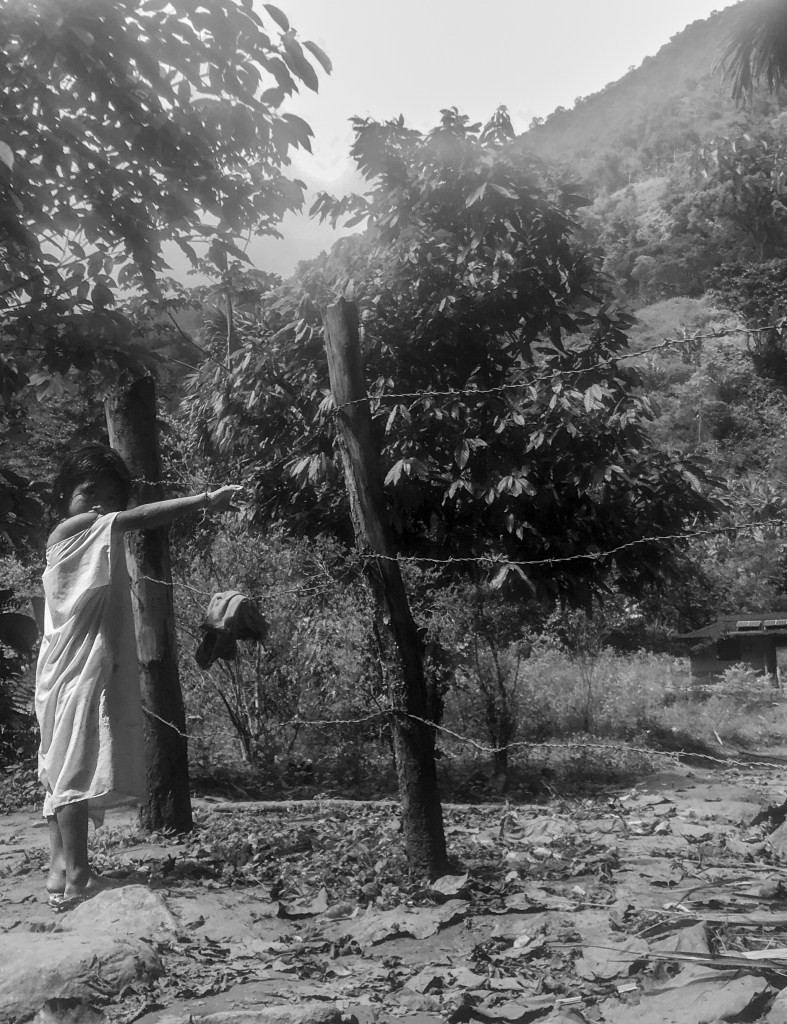
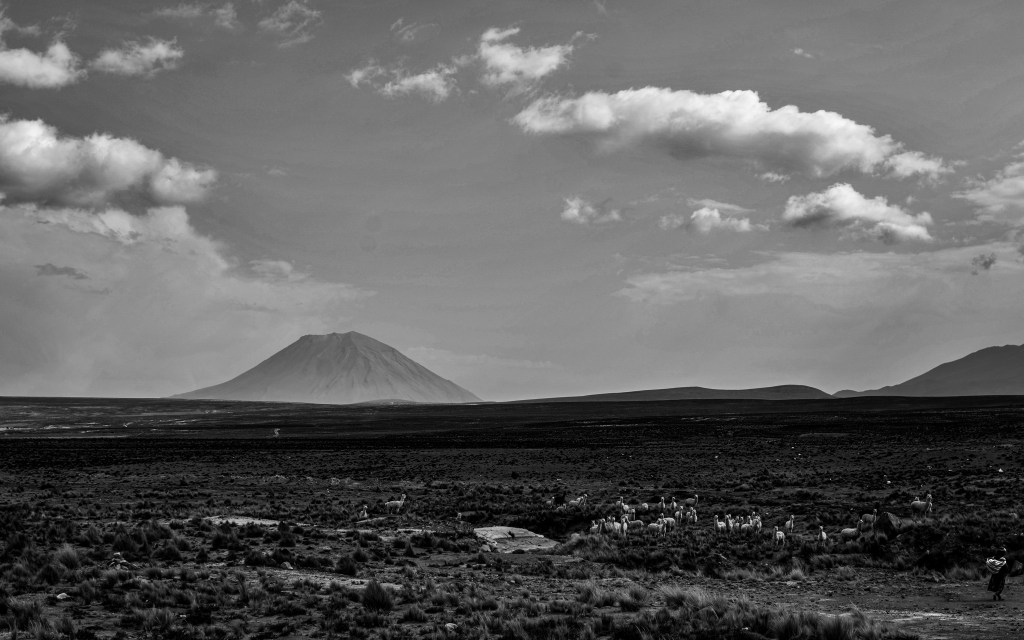
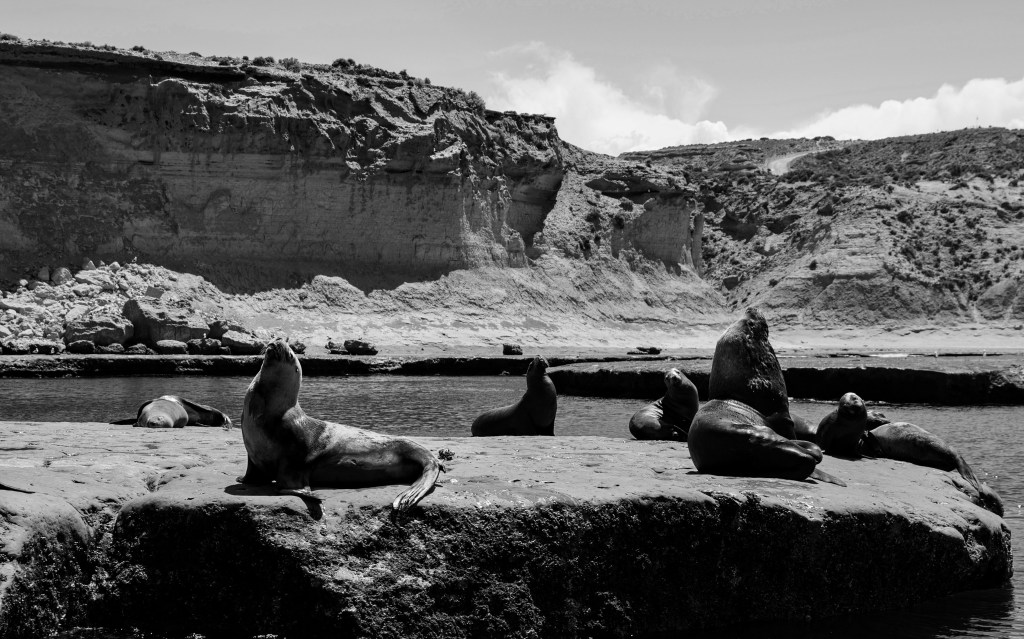
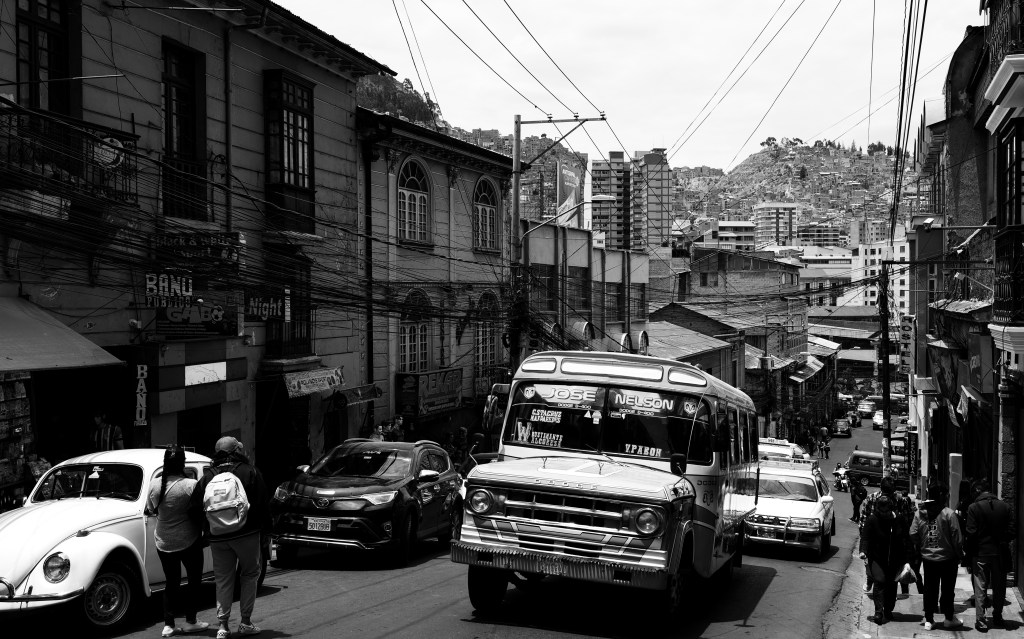
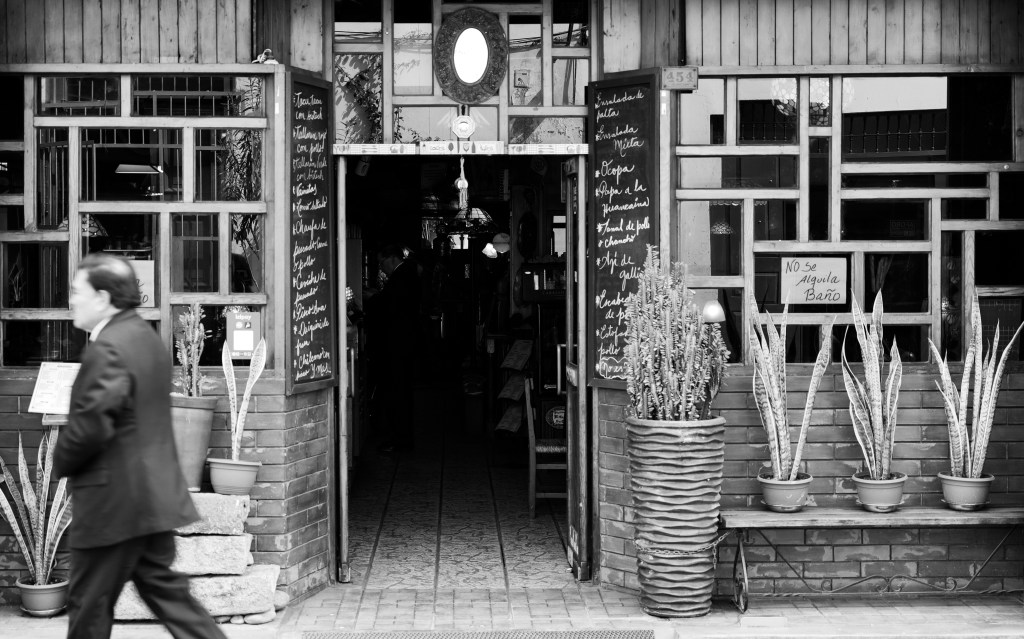
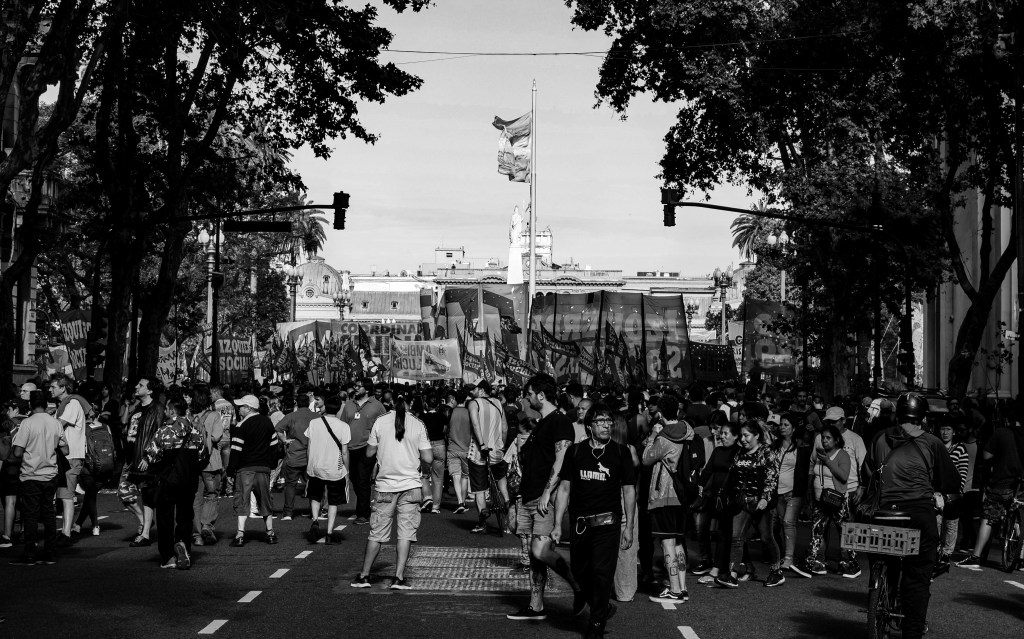
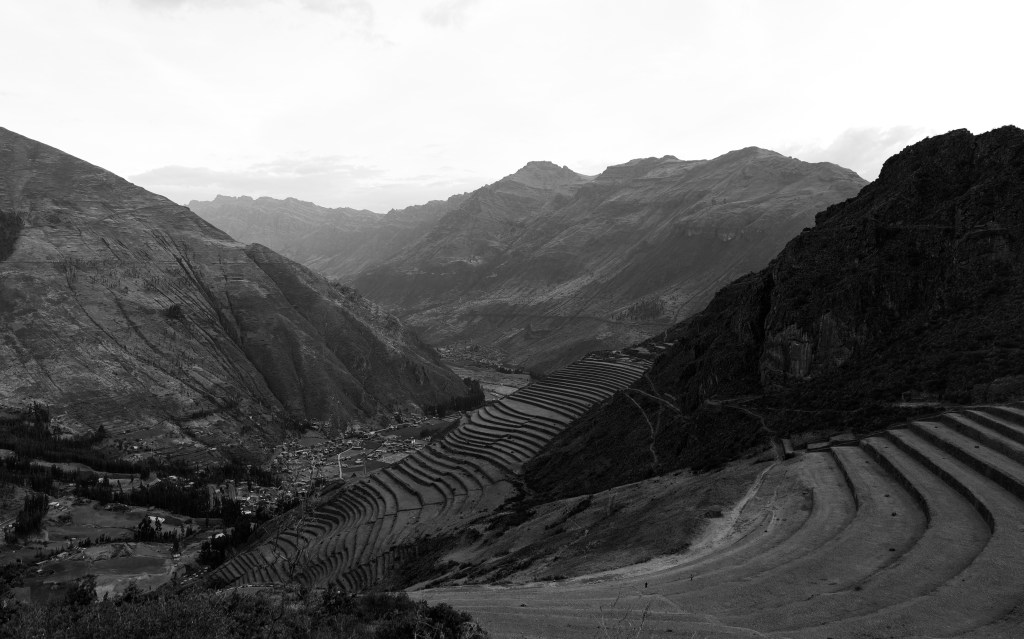
This series follows the relationship between people and nature across six countries: Colombia, Ecuador, Peru, Bolivia, Chile and Argentina. Farmers tending terraces carved into steep mountainsides, herders braving the thin air of the highlands with their livestock, and cities built in the shadow of volcanoes. But there is a flip side too: retreating glaciers, mines that leave deep scars, and water becoming ever scarcer.
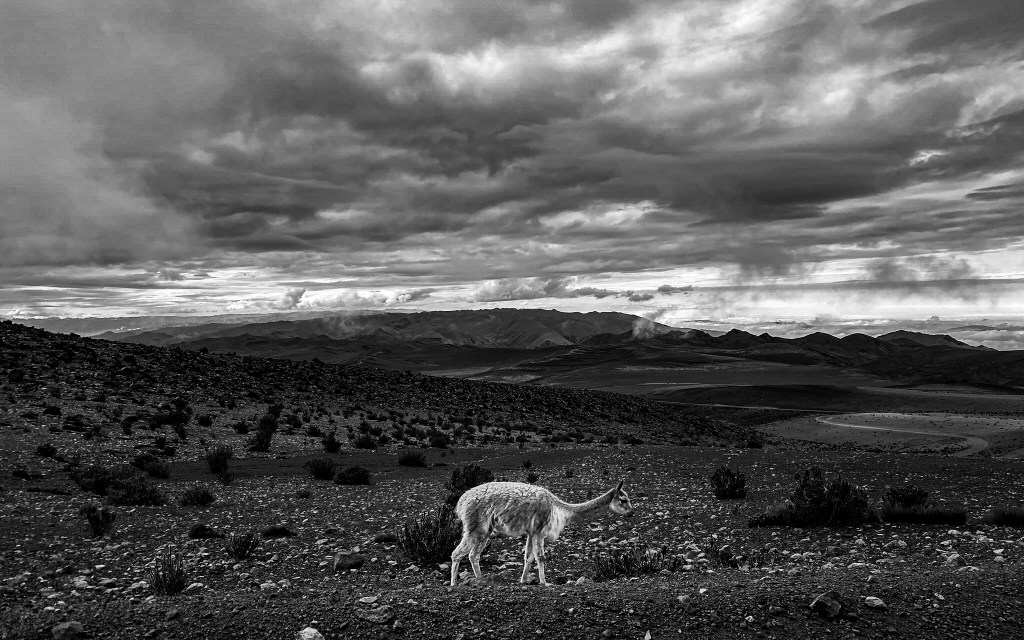
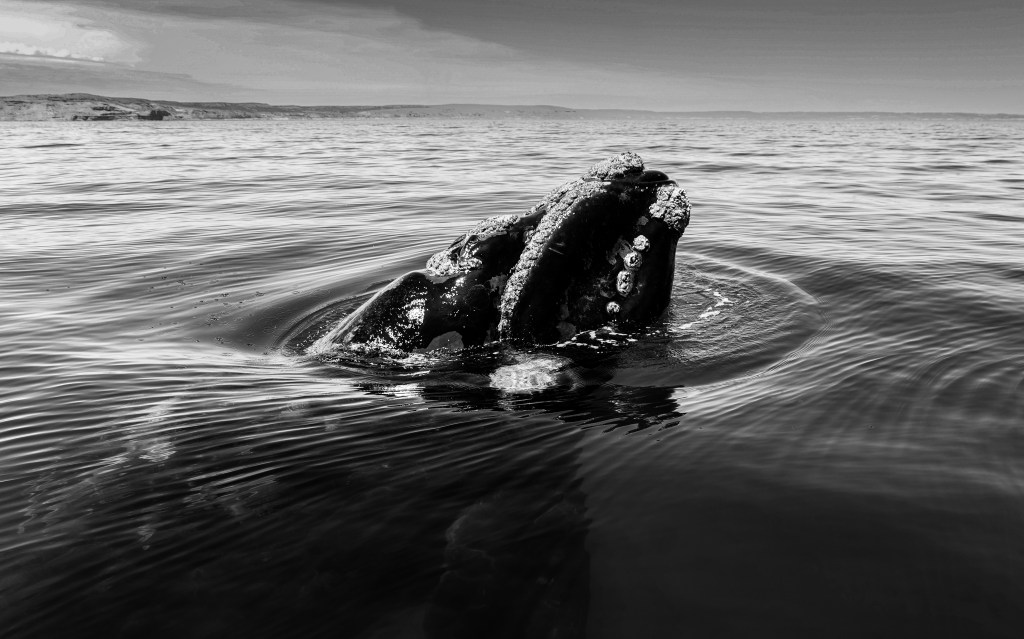
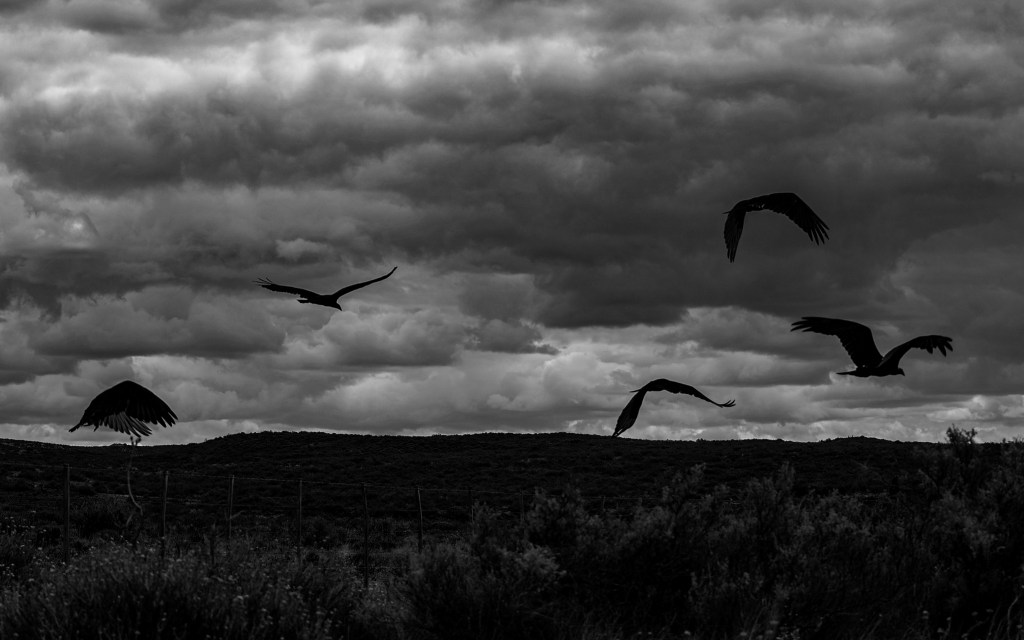
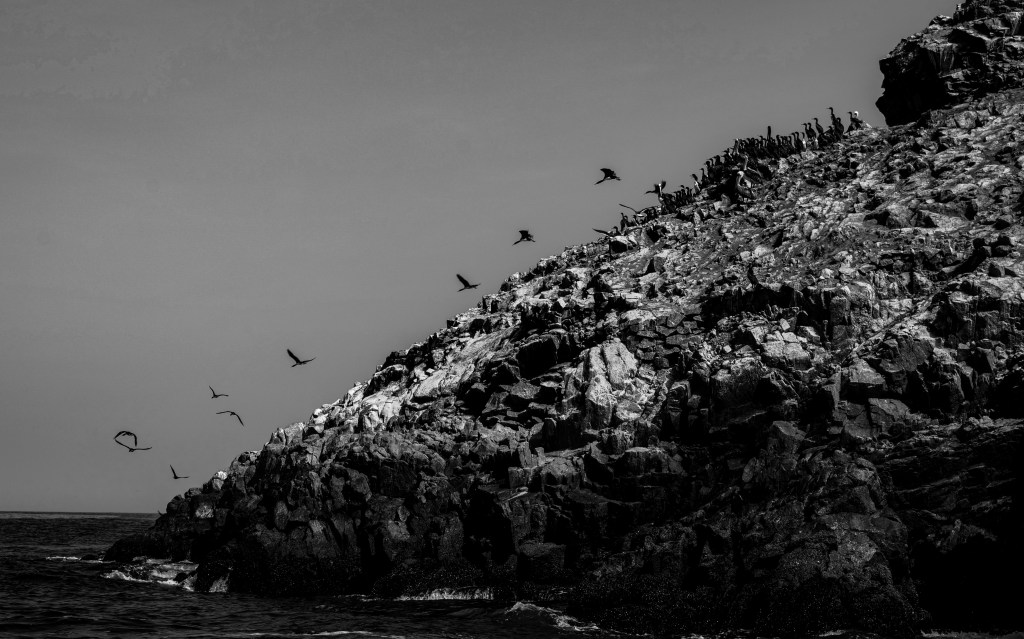
Yet the Andes also tell a story of hope. Where nature is protected, wildlife is thriving once more. The vicuña, once pushed to the brink of extinction, now roams the high plateaus in large numbers. And thanks to reintroduction programmes, the Andean condor has returned to parts of its former range where it had disappeared. Even southern right whales, once hunted on a massive scale, return to the waters of Patagonia to breed and calve.
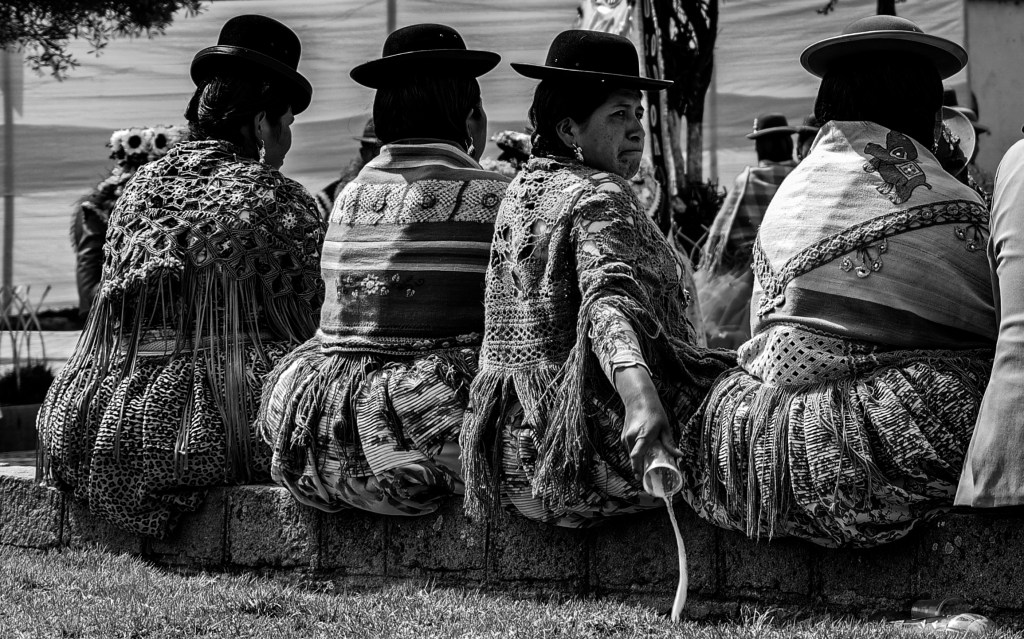
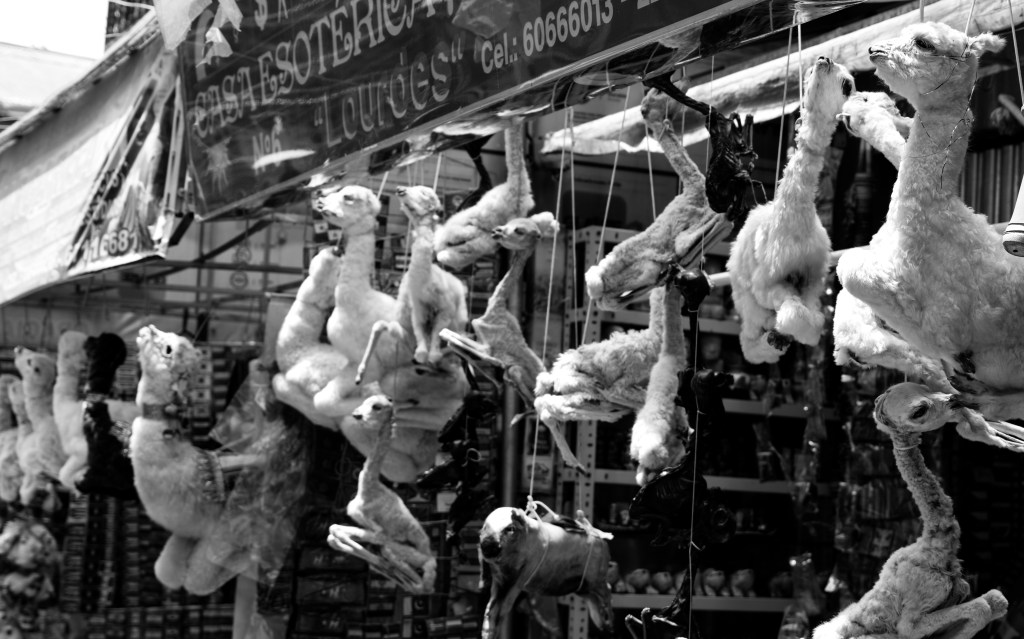
Quechua and Aymara communities still make offerings to Pachamama, Mother Earth, and to the spirits of the mountains. These traditions have evolved over the course of history, and in some communities the Virgin Mary and Pachamama have come to be seen as two faces of the same mother.
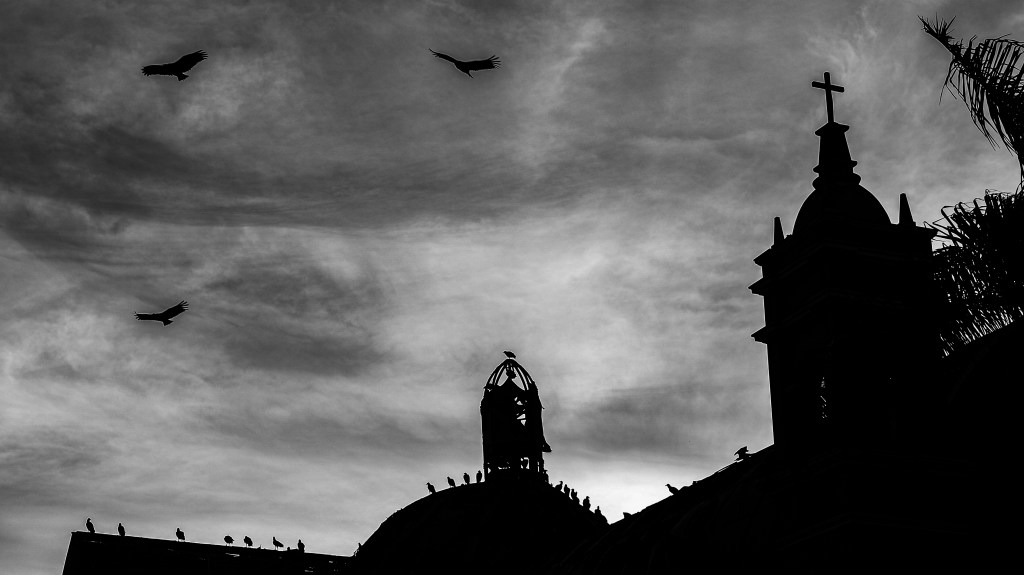
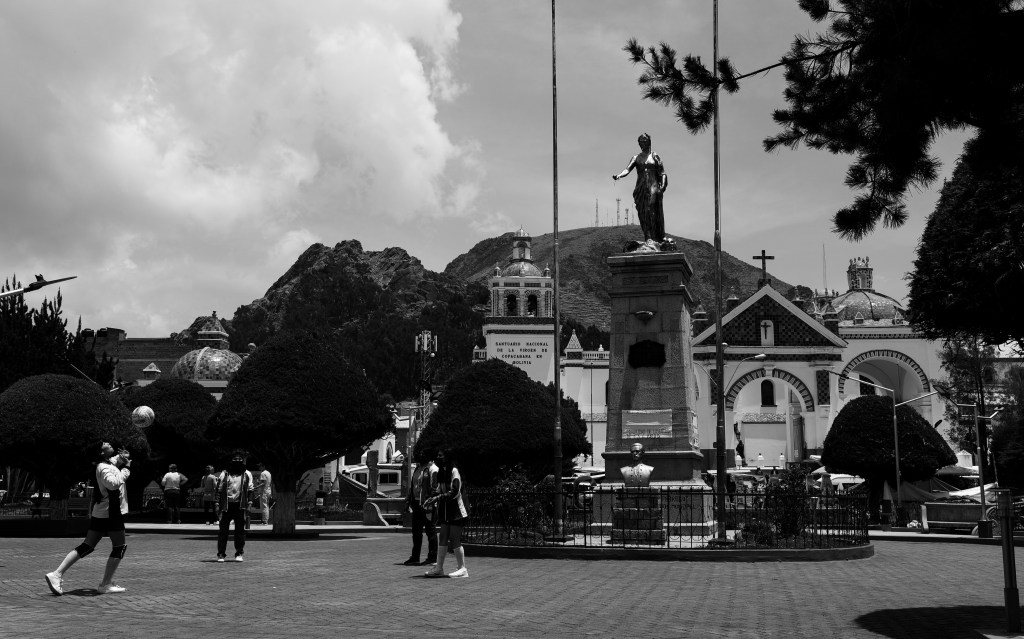
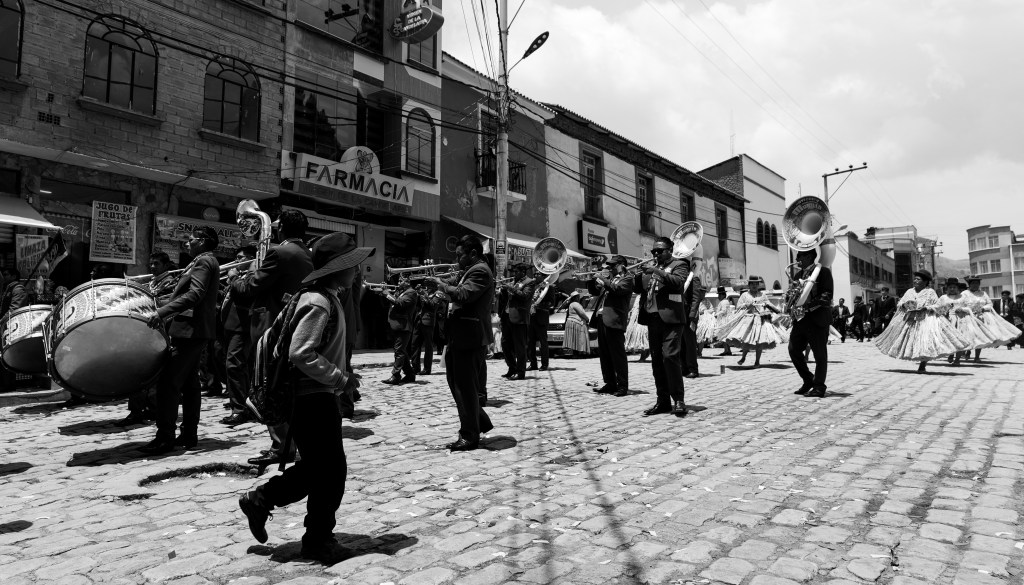
Nowhere is this fusion more visible than in Copacabana, on the shores of Lake Titicaca. The site had long been sacred to Indigenous peoples, including the Incas, before a Christian shrine was established there in the sixteenth century. The celebrated statue of the Virgin was carved in the 1580s by the Indigenous sculptor Francisco Tito Yupanqui, a descendant of the Inca nobility. During the festival of the Virgin, dancers and musicians fill the streets, and a replica of the statue is carried in procession. The original remains inside the basilica. Local belief holds that if it were ever taken away, Lake Titicaca would burst its banks. Here, tradition adapts without letting go of its roots.
Between adaptation and depletion, between reverence and exploitation, this series shows how people and mountains shape one another. The Andes give and take, and those who live there learn to bear both.