Portfolio
AFTER THE FLUD
Greece – Where europe begins (IN PROGRESS)
AFTER the flud
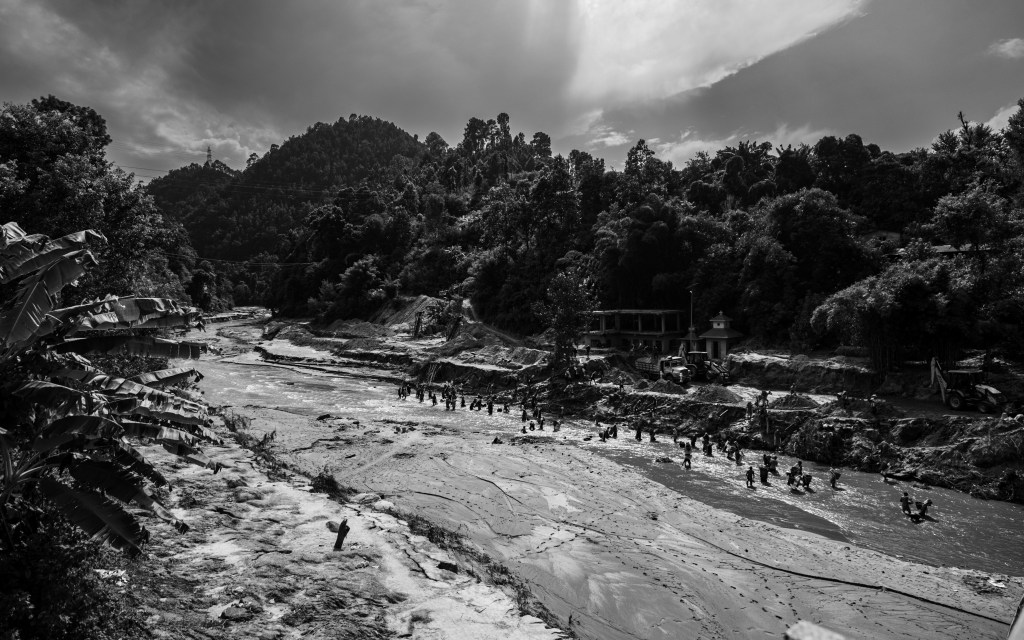
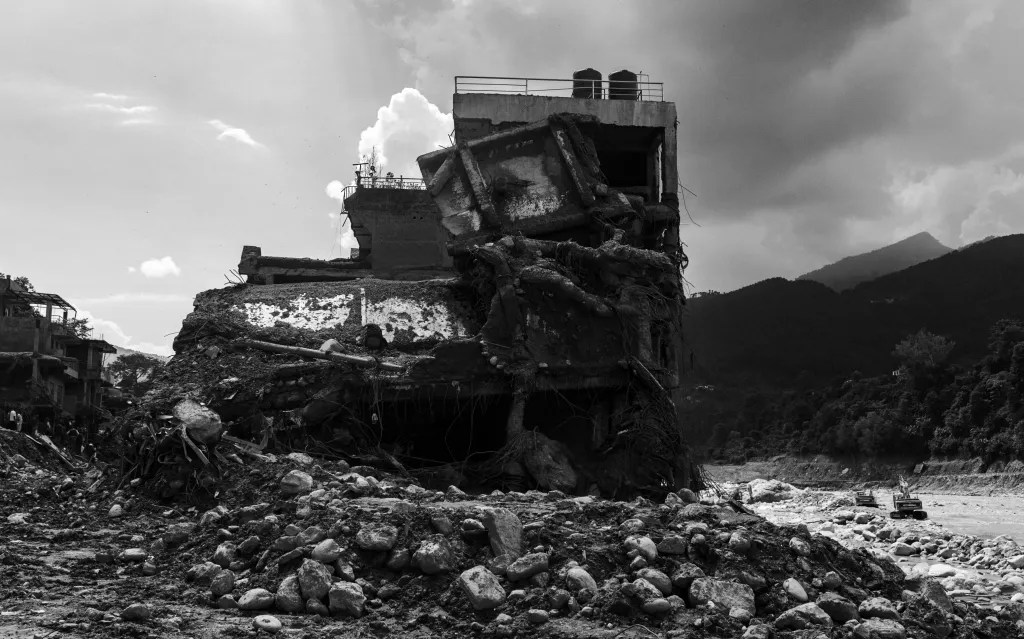
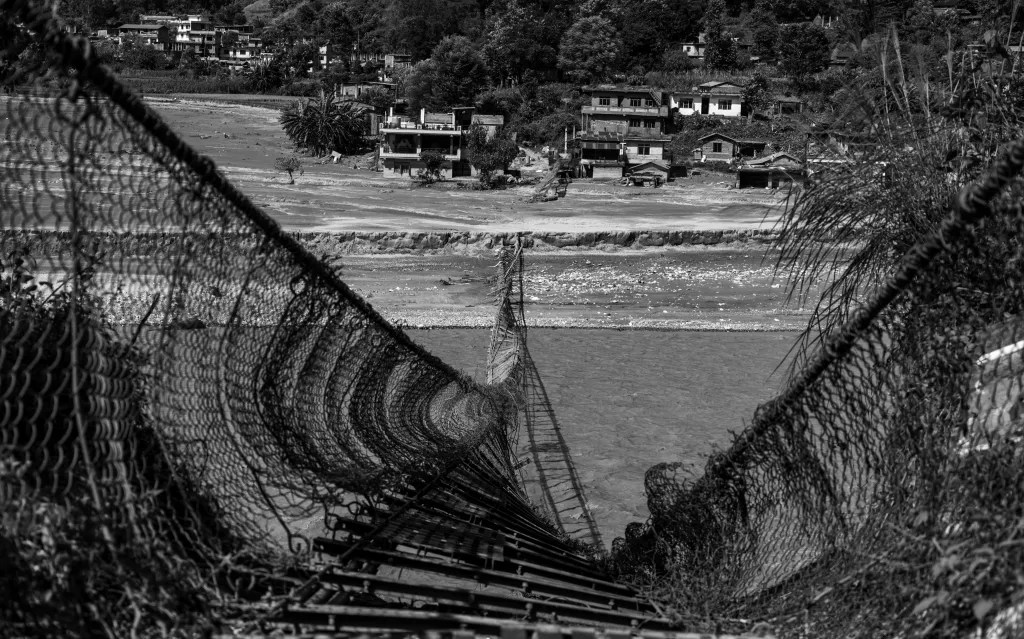
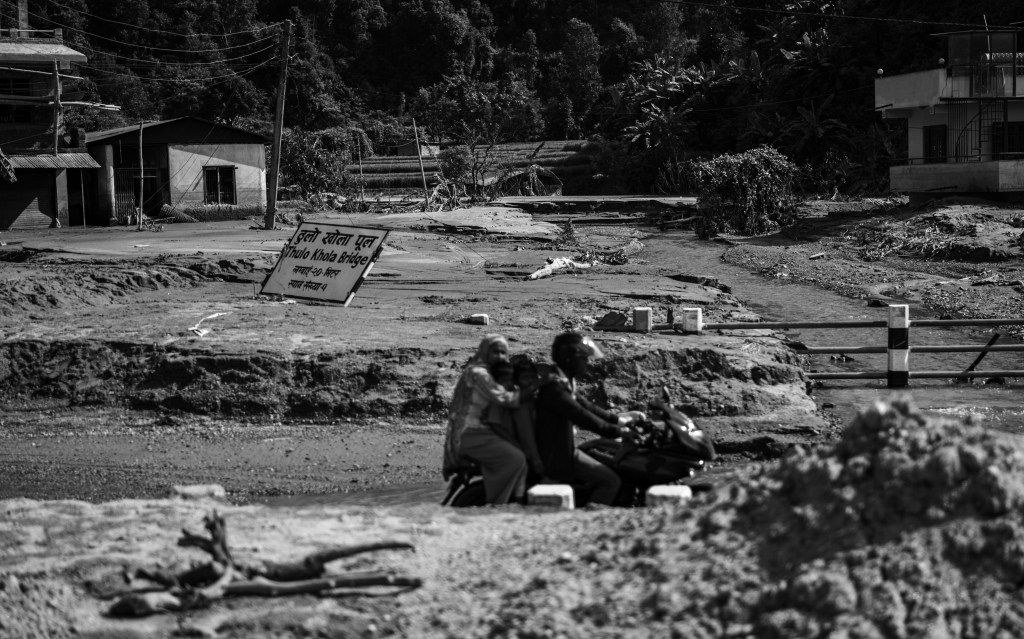
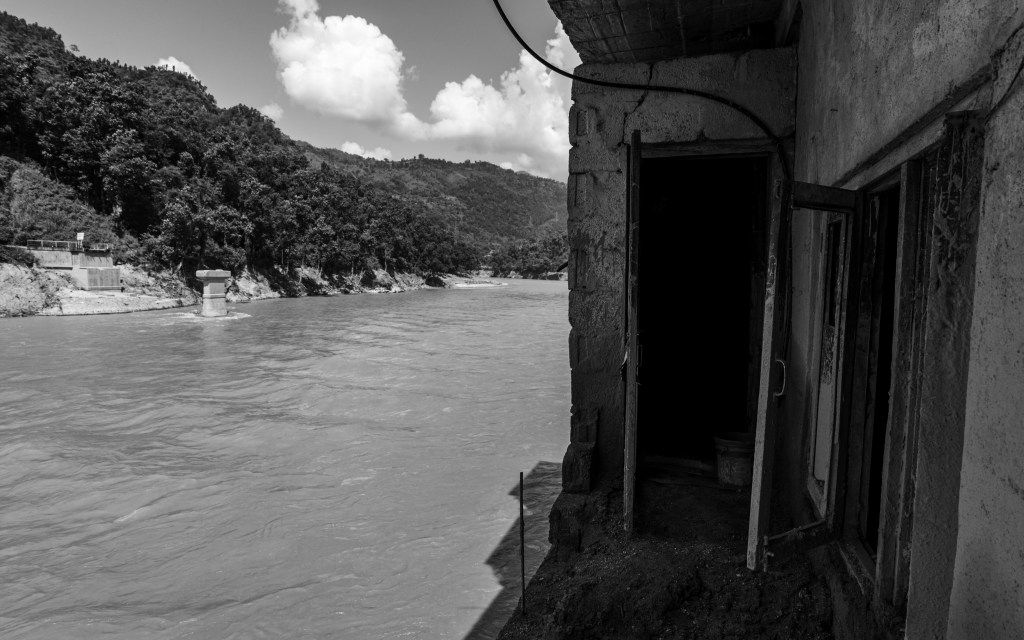
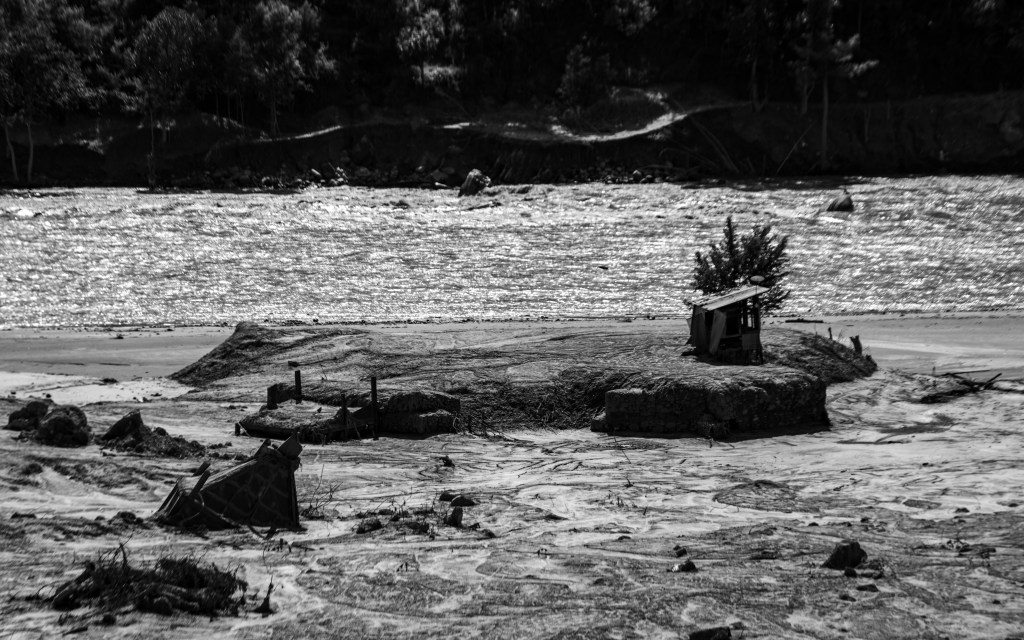
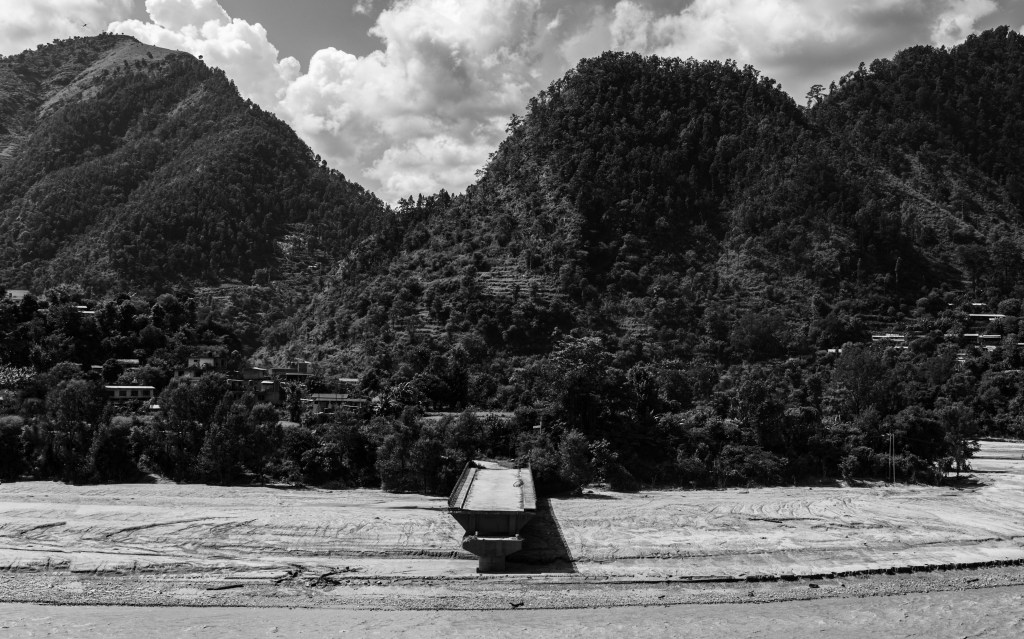
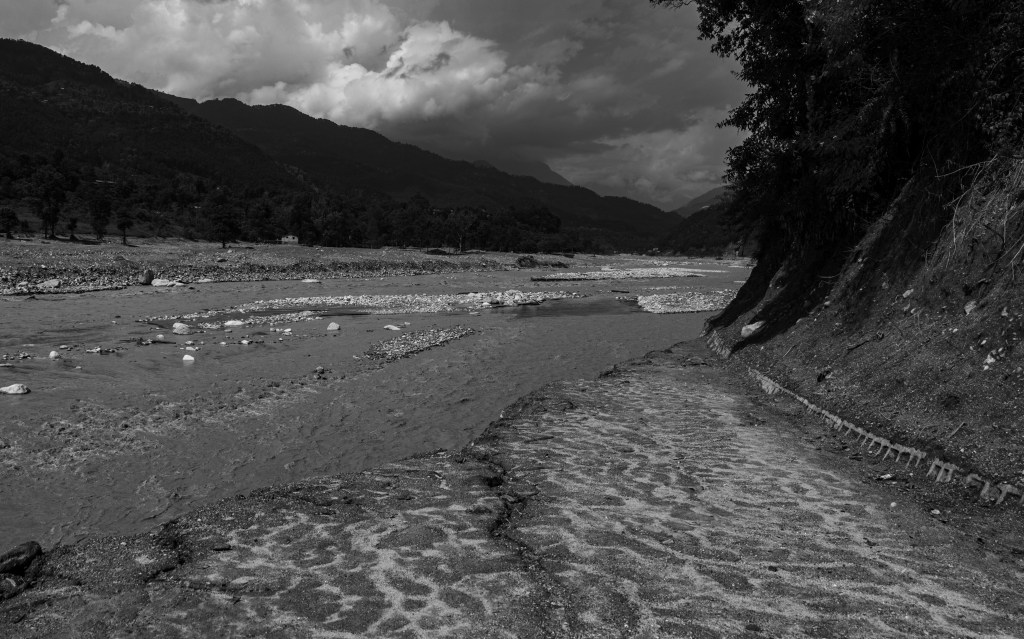
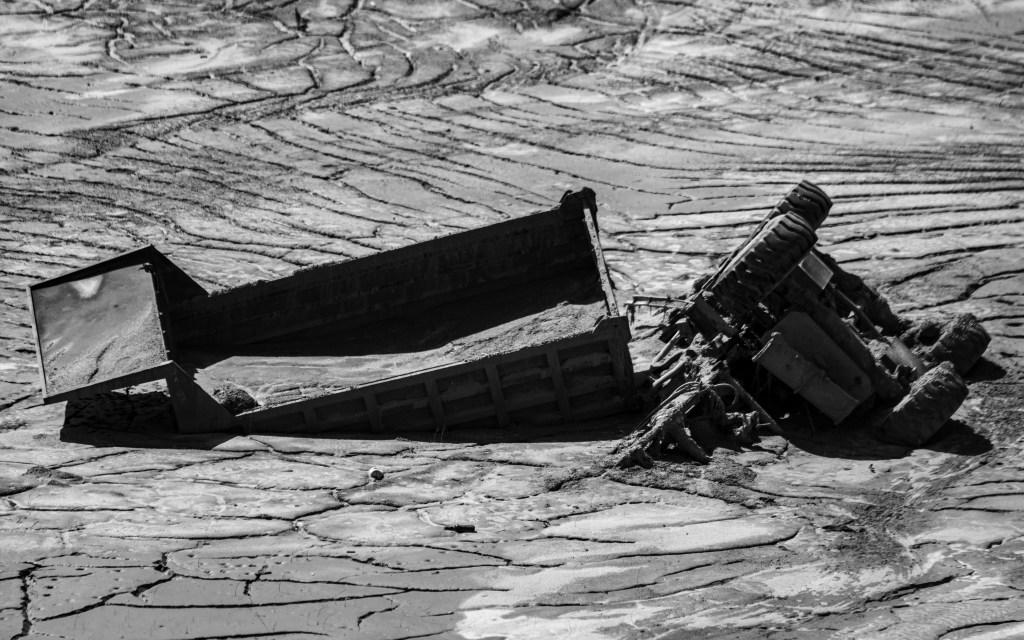
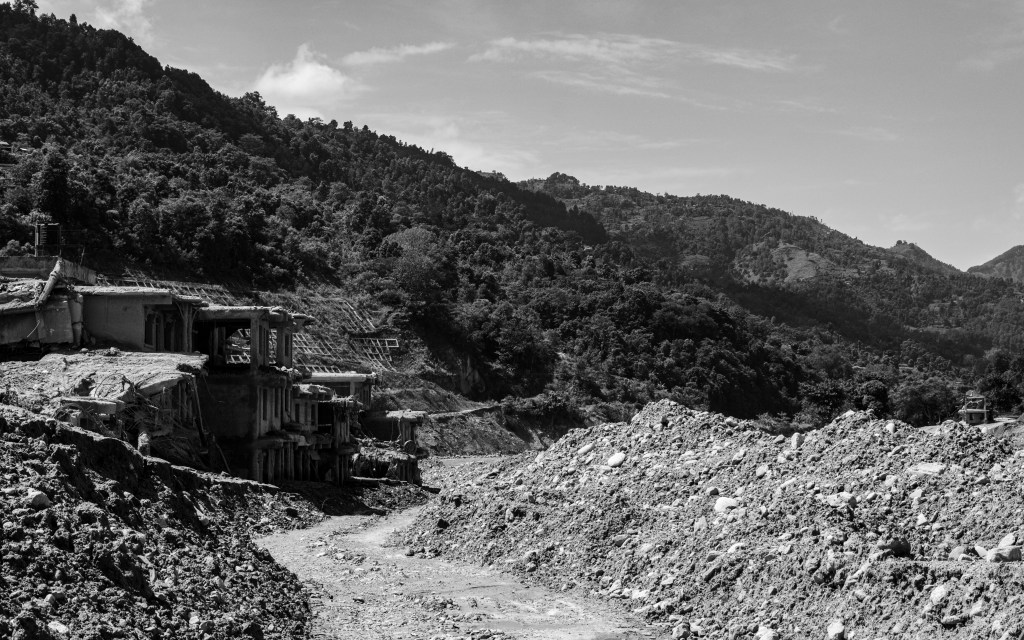
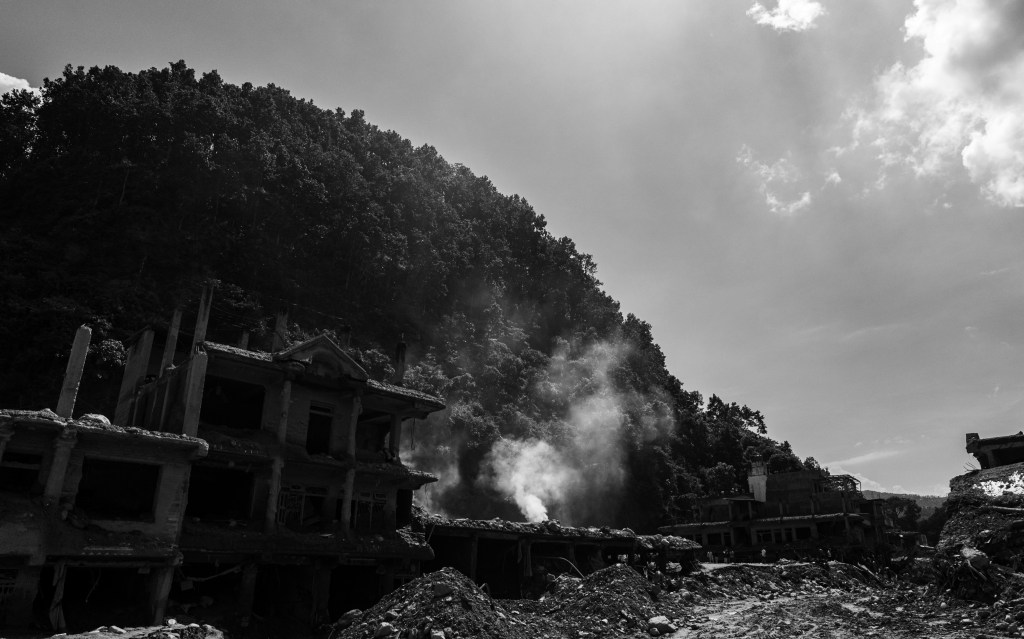
On 26 August 2026, high in the Himalayas near the border with Tibet, part of a glacier broke off. The resulting wall of water, mud and boulders swept away villages, roads, bridges and hydropower plants. In Nepal, more than 1,400 people were killed and tens of thousands depended on emergency aid. In early October, more than 5,000 people were still missing, including hundreds of foreign nationals.
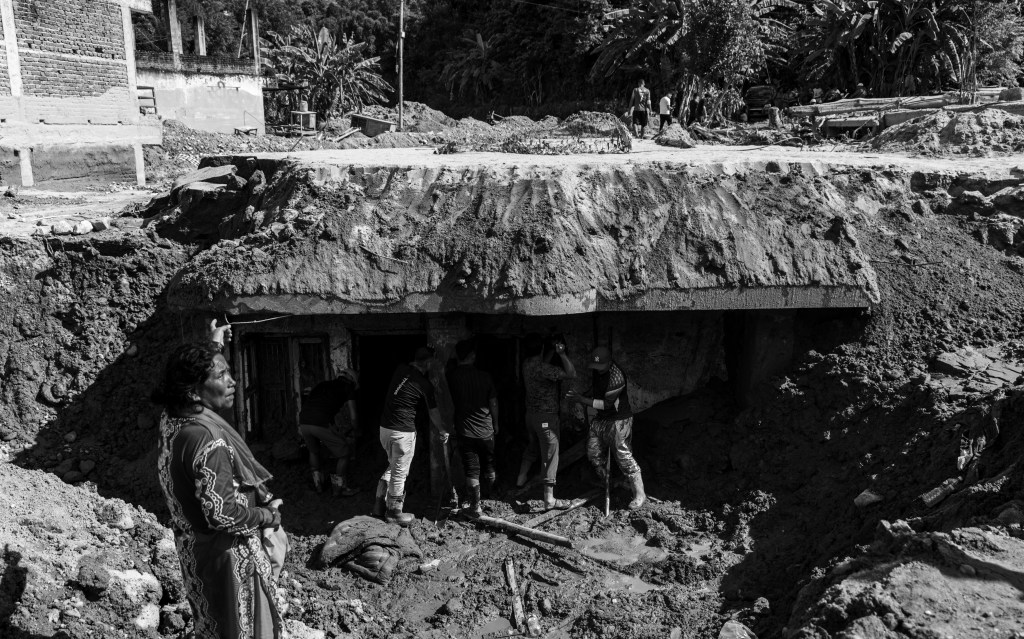
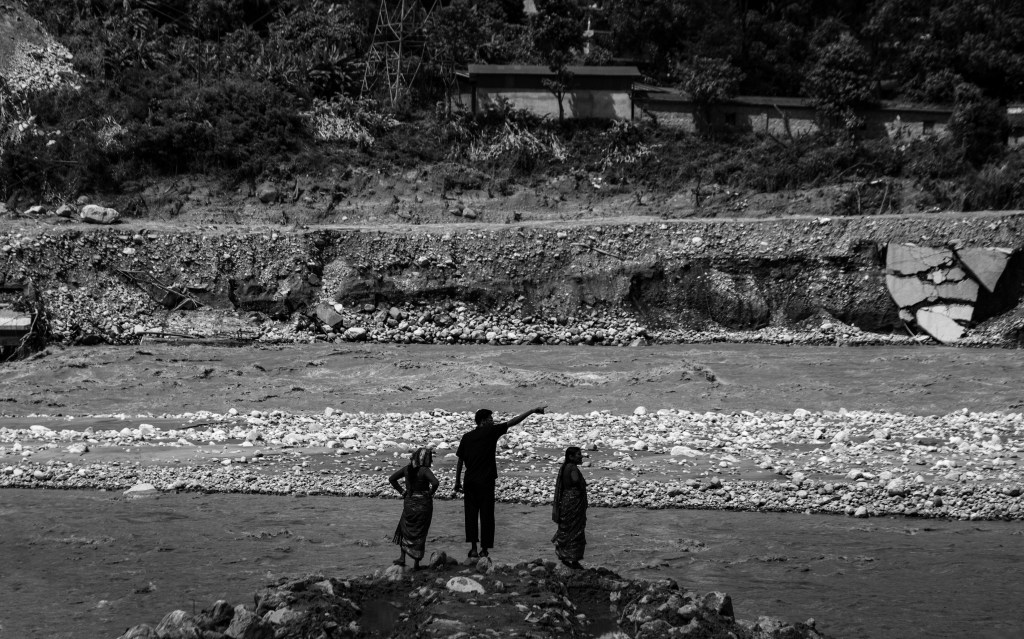
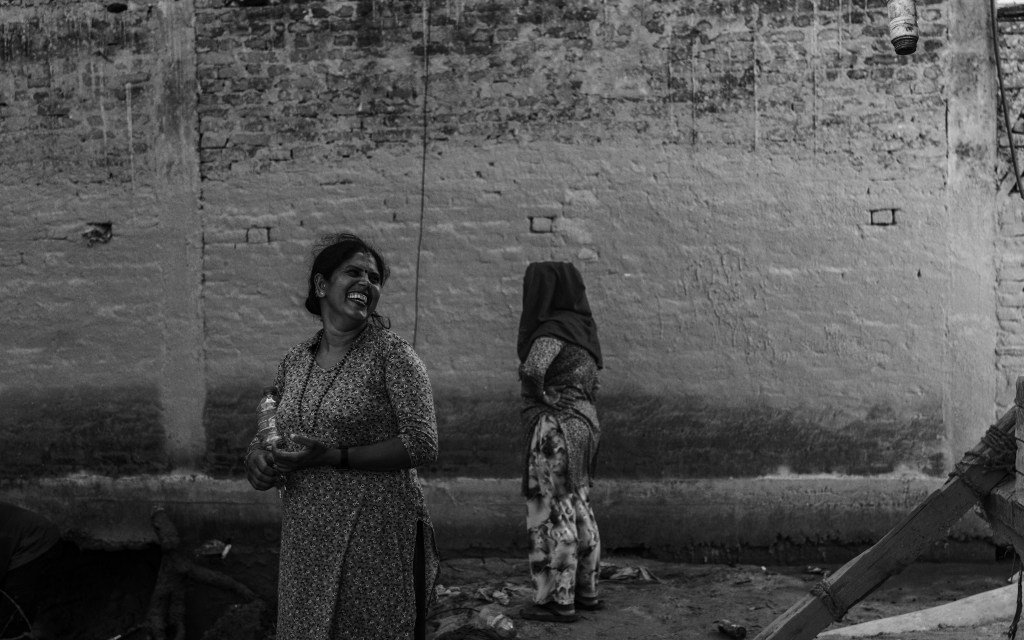
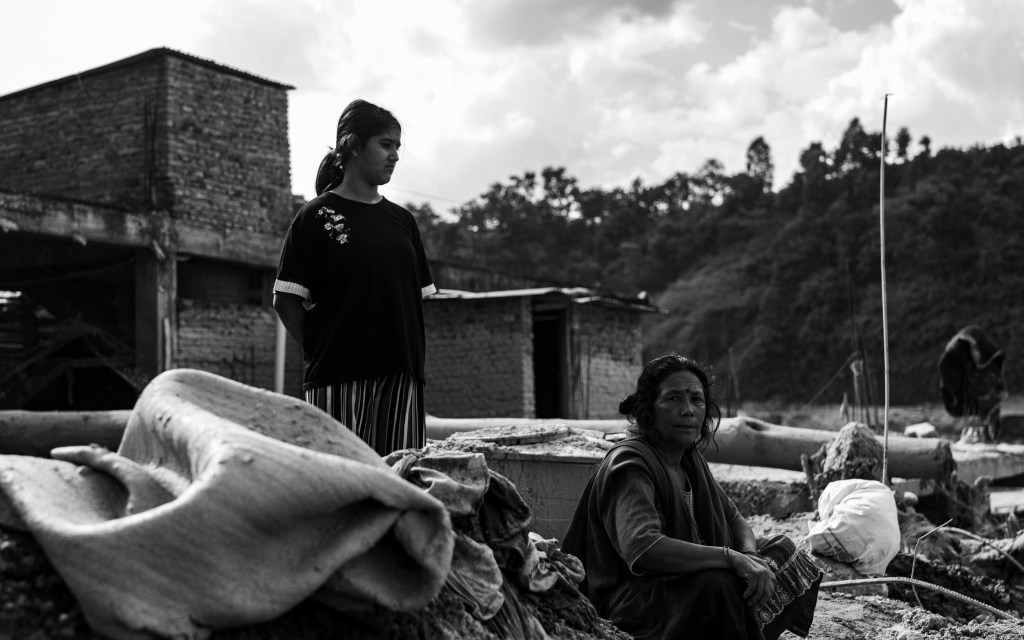
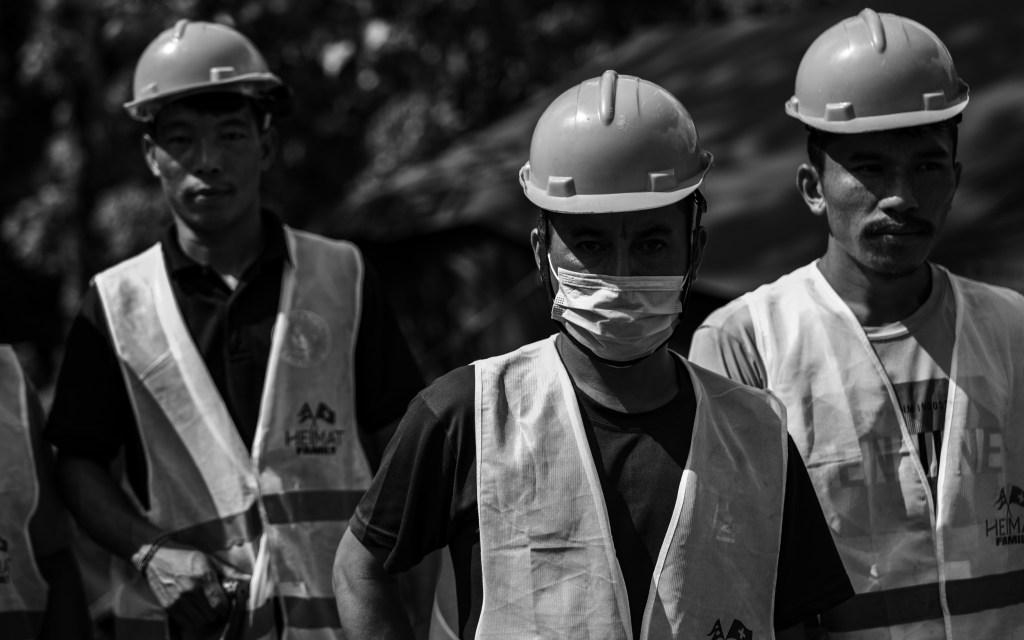
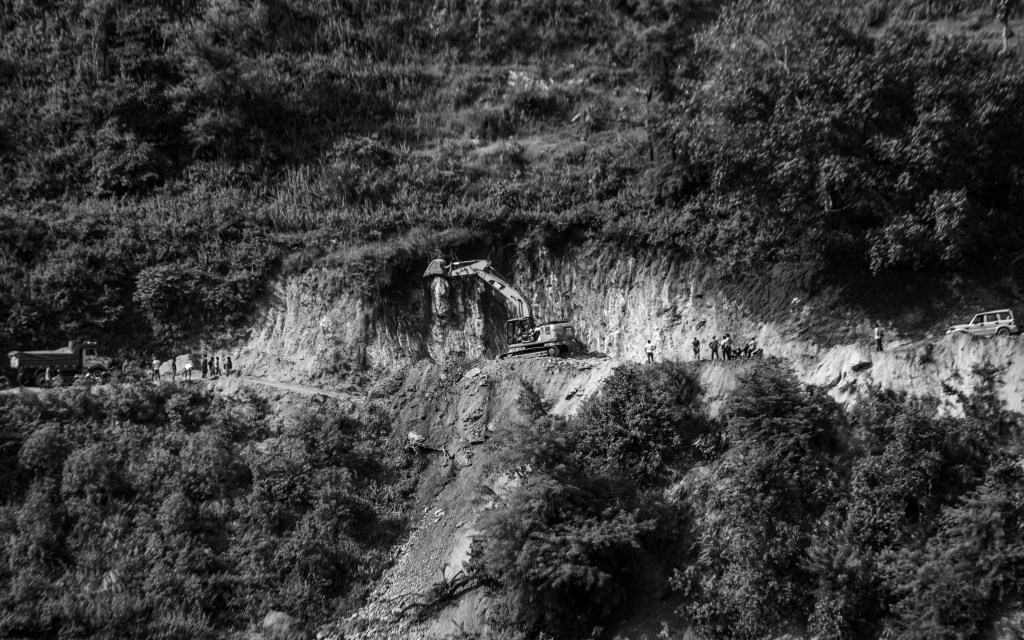
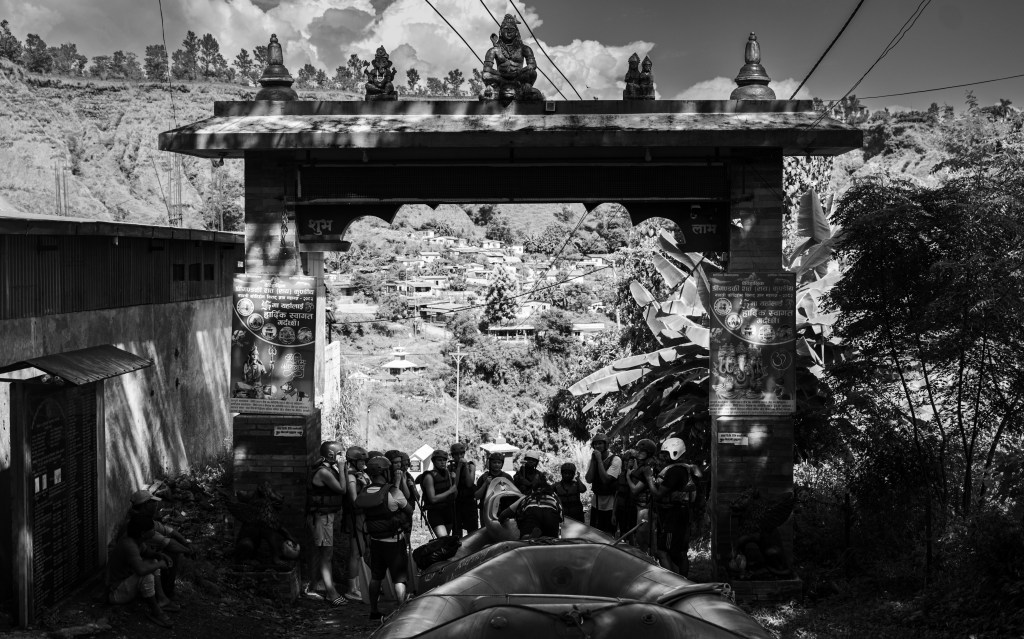
On 6 September, I flew to Kathmandu as a tourist to visit a Nepali friend; the trip had been planned for months. I travelled around the country by motorbike, including through the affected area in the Trishuli Valley. Along the way, I saw the aftermath of the disaster and spoke to aid workers, survivors and volunteers. The fear of new floods and landslides was ever-present. At the end of September, heavy rain fell for days, and once again people were killed in landslides and floods across Nepal.
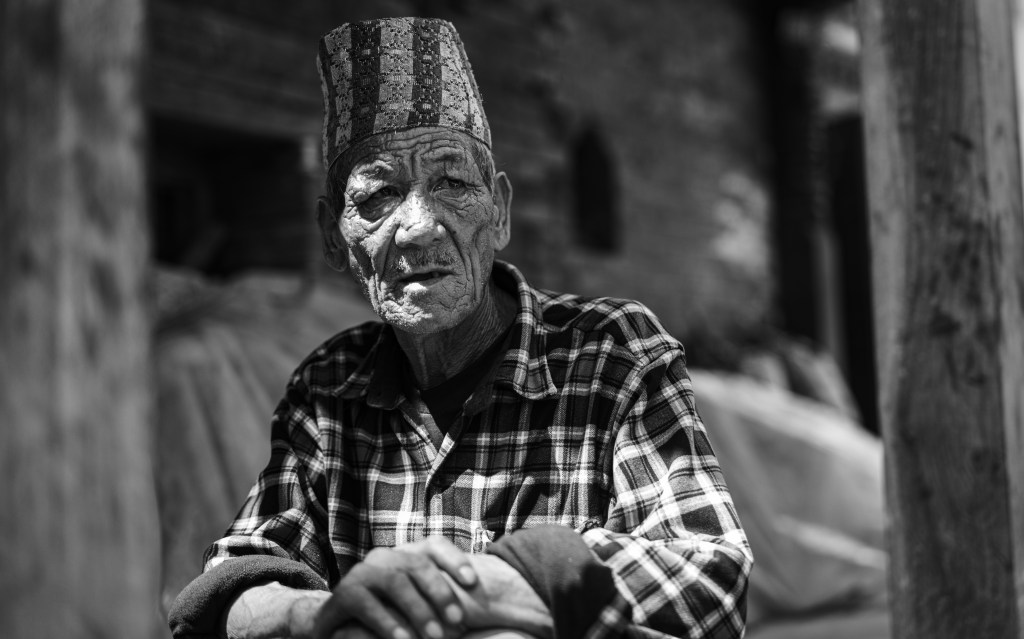
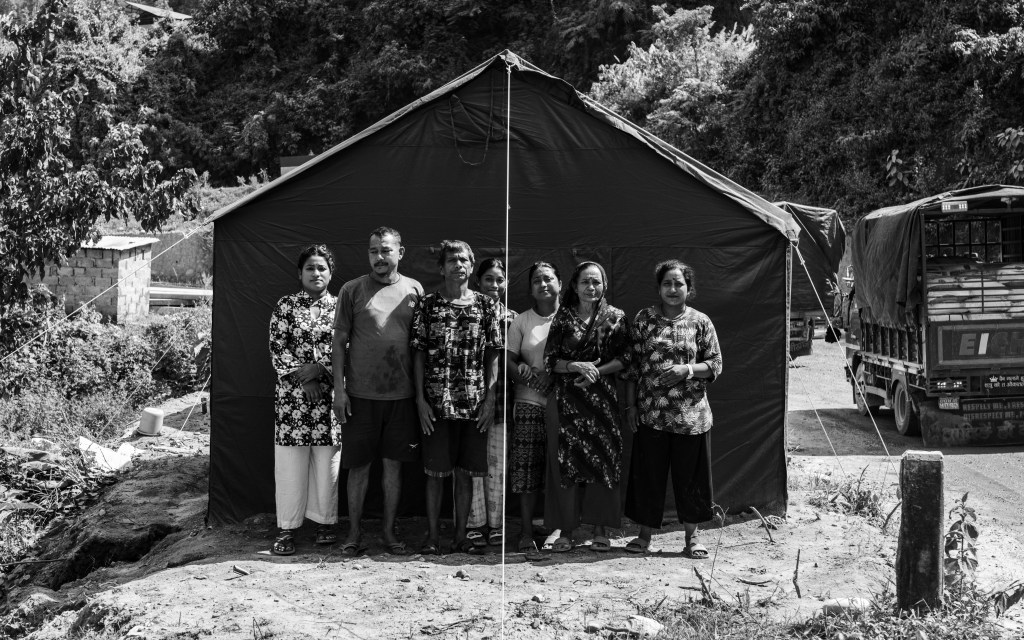
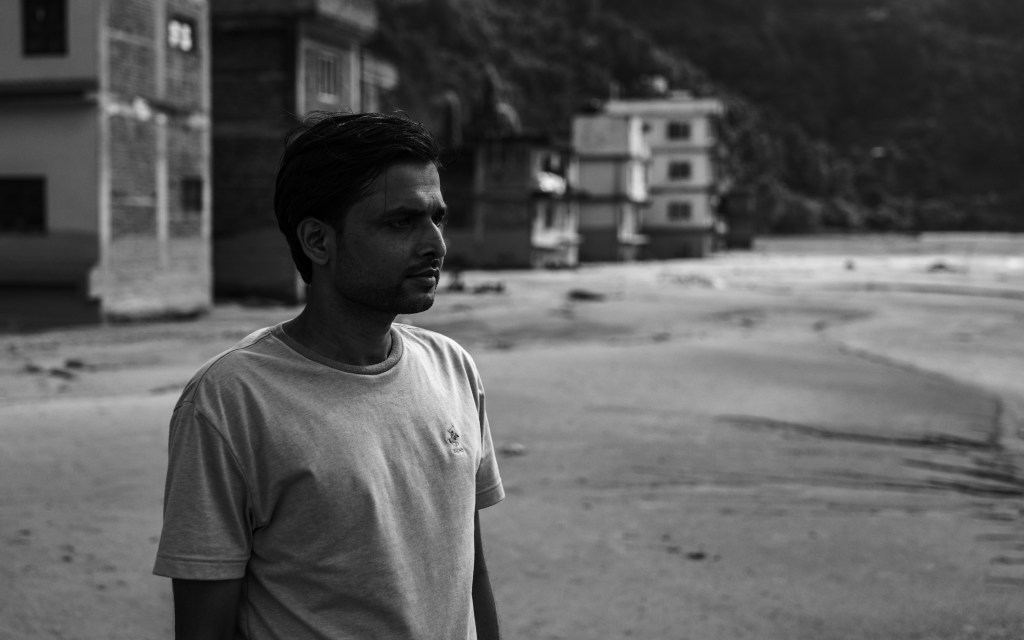
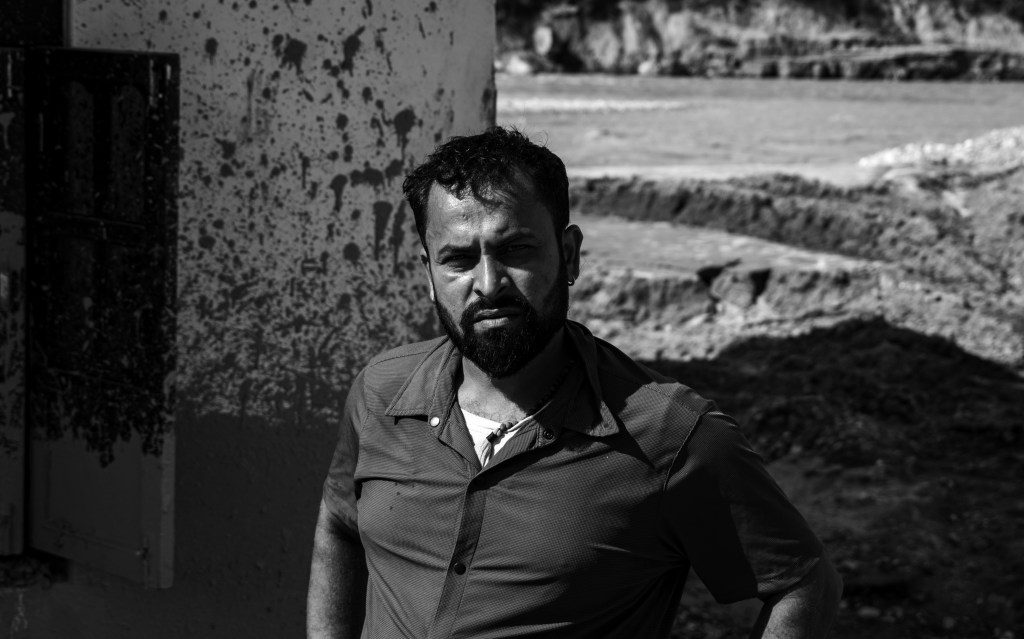
At the day of the flud, a friend phoned Subas to warn him. At first, he did not believe it, until his sister confirmed it from another village. He and his family fled to higher ground, taking only their phones with them. They escaped unharmed, but their two-storey house was completely destroyed. They lost almost everything. “I have lost a lot,” he says, “but not my dream of becoming an actor.”
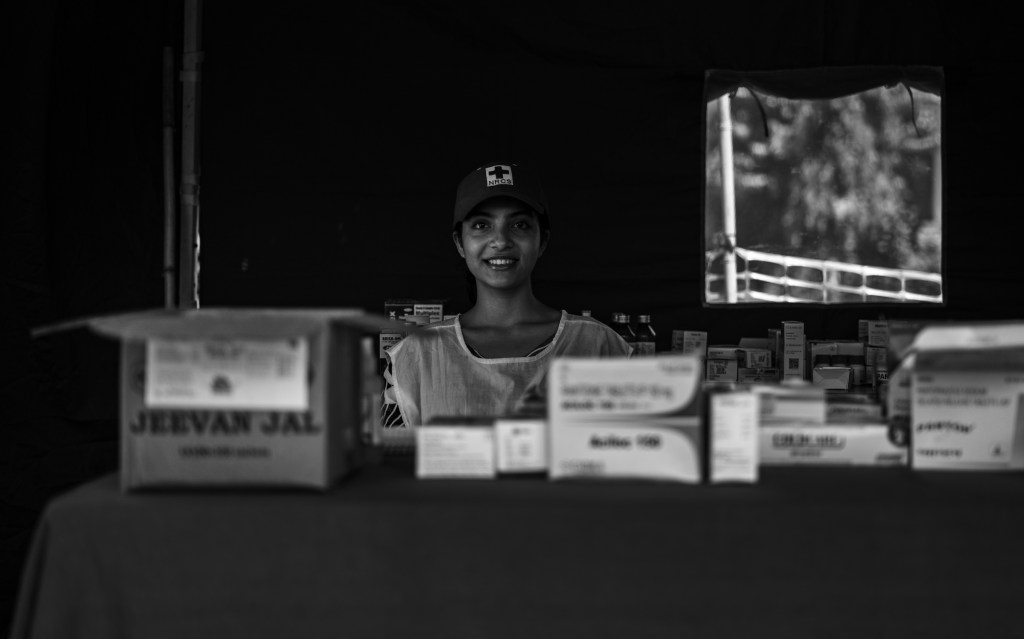
Isha was asleep when her mother called: “Come quickly to my office!” The house was shaking. Her younger brother and sister were at school in a town further away, which was under water, and calls would not go through. Only after an hour did a teacher call to say they were safe. When I met Isha, she was volunteering with the Nepal Red Cross. Where the bridge to the hospital had been swept away, the Red Cross set up an aid post offering free medicine and basic healthcare. “I have seen how people help each other when it really matters,” she says.
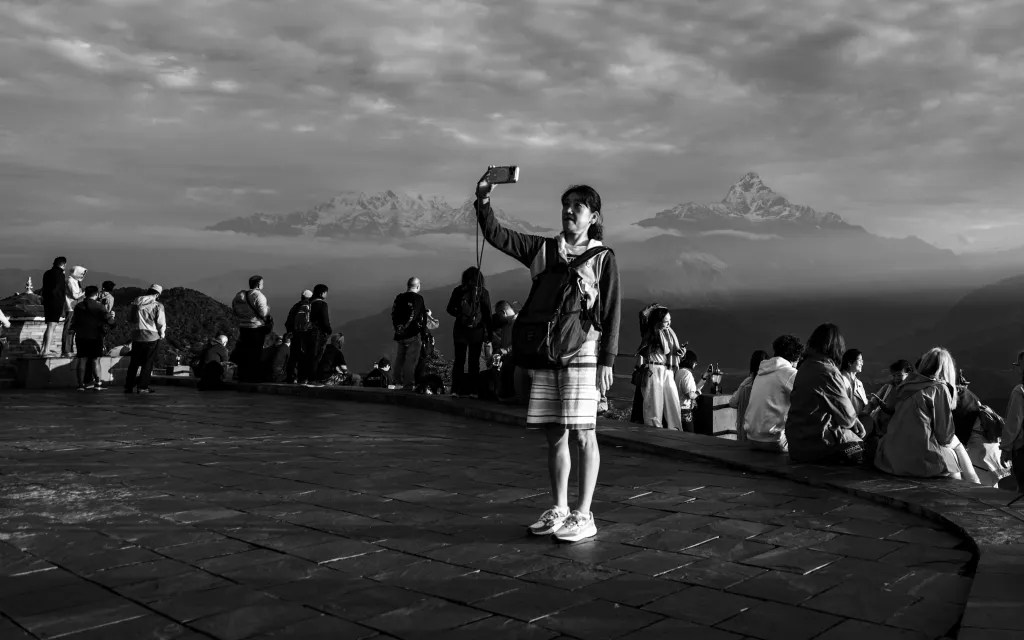
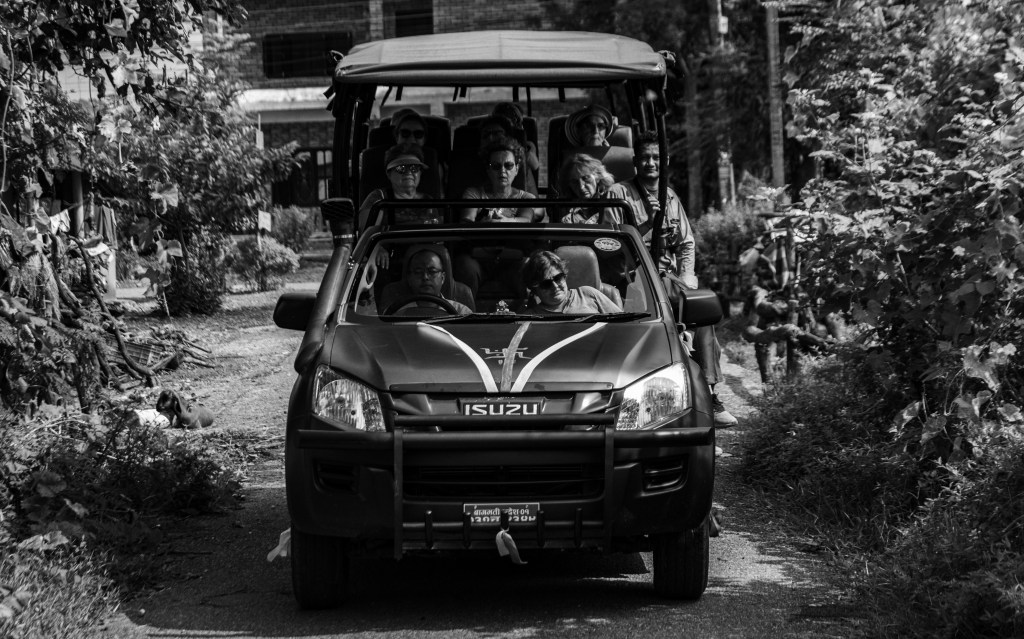
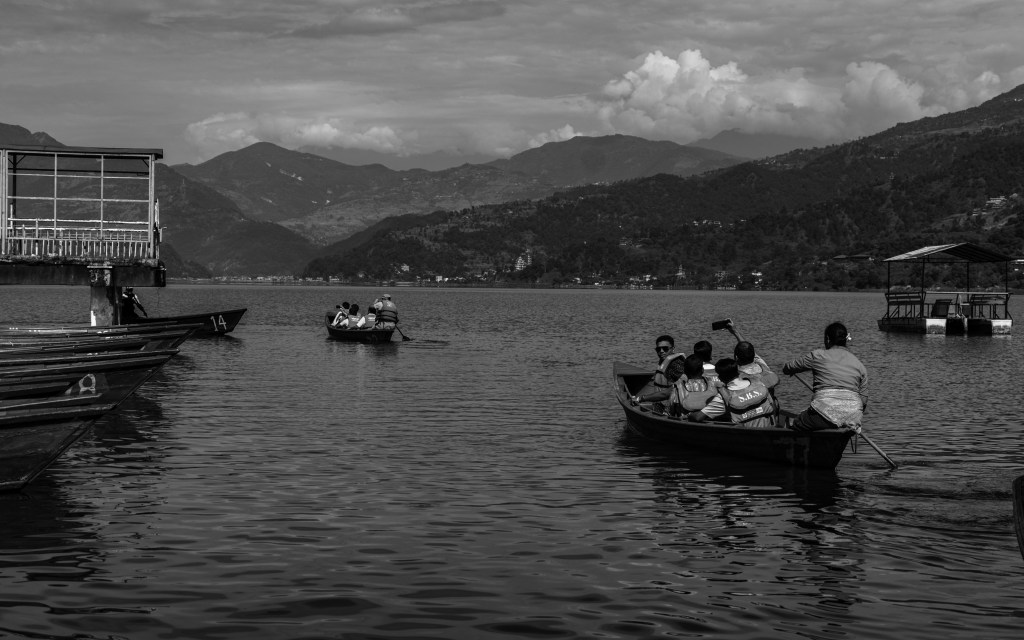
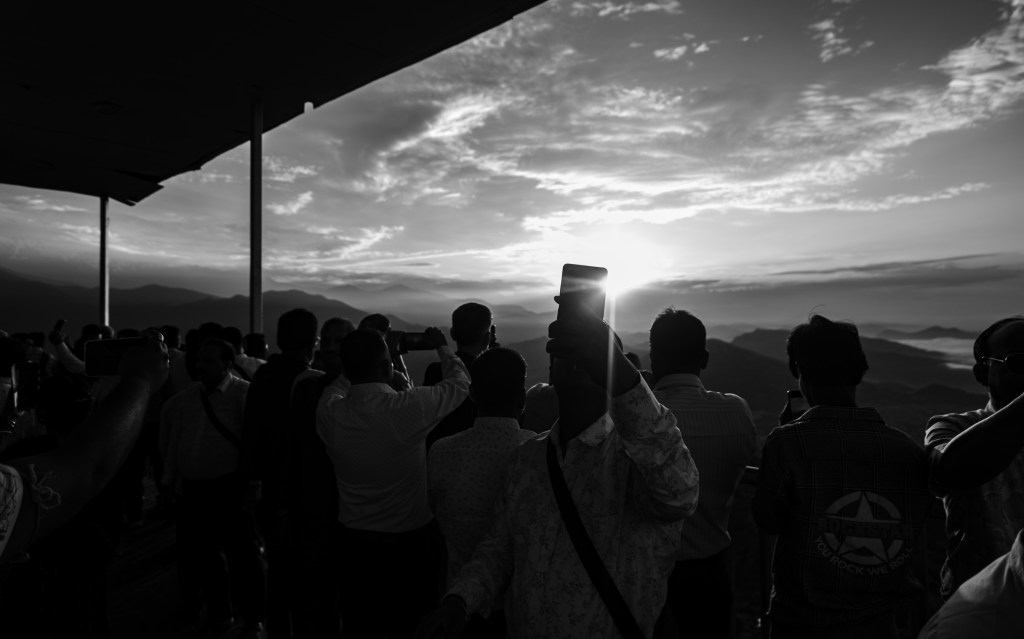
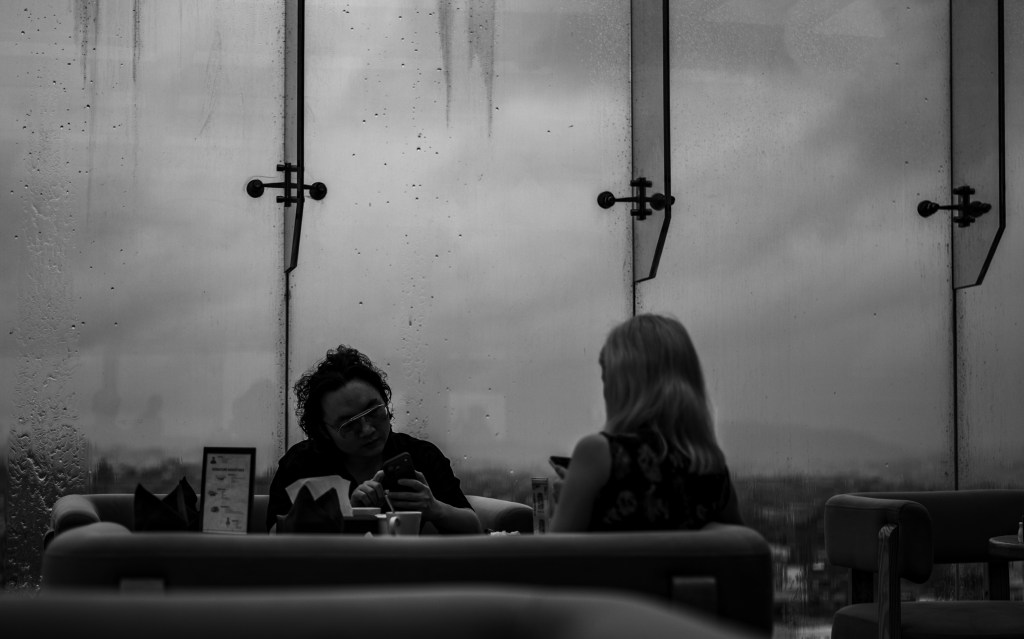
While people in the Trishuli Valley were still searching for the missing and trying to rebuild their lives, the tourist season was slowly getting underway in other parts of Nepal. In early September, at the tail end of the monsoon, I saw hardly any tourists. By the end of the month, visitors were returning to Kathmandu, Pokhara and Chitwan, although people working in tourism told me that many travellers were staying away. Just a few dozen kilometres away, tourists were taking selfies at popular attractions, while families in the disaster area were still searching for their missing relatives. The proximity felt uncomfortable to me. Most of the tourists I asked about it preferred not to talk about what had happened so close by. Yet the recovery of tourism is urgently needed. Tourism accounts for around seven percent of Nepal’s economy and more than a million jobs.
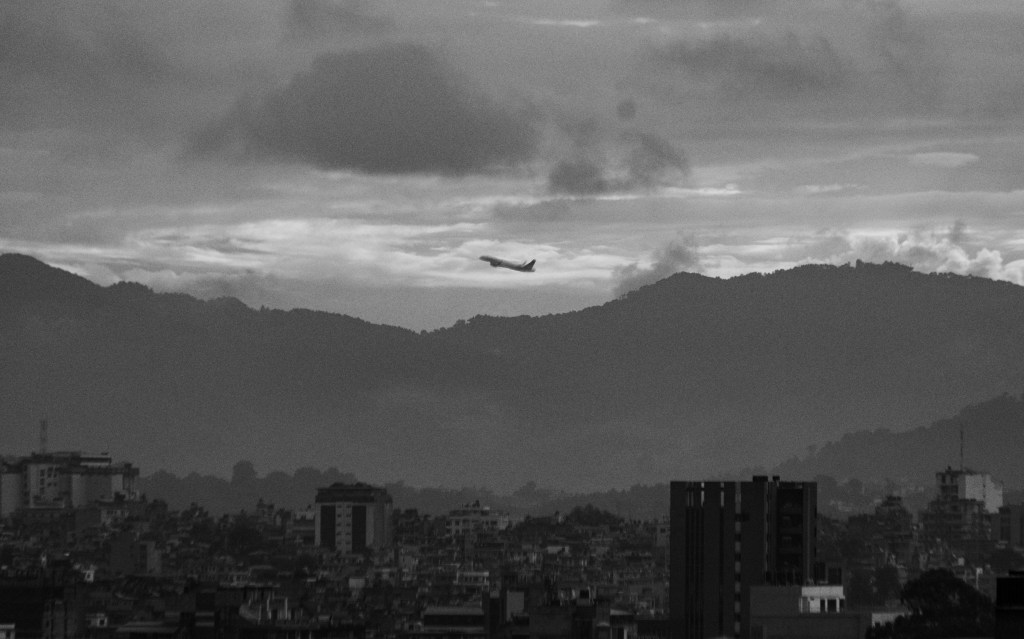
The contrast between tourism and the disaster was nowhere more visible to me than on the route from Kathmandu to Pokhara. By motorbike, it took me about six hours. A return ticket on the local bus cost about €9. The road ran through beautiful scenery, but also past areas hit by the flood. By plane, the same journey took around 25 minutes, and a return ticket for a foreigner could easily cost €200, almost twice Nepal’s monthly minimum wage. From the air, the disaster area disappeared beneath you. More than twenty flights left Kathmandu for Pokhara every day.
Those flights did not cause the disaster. But they did reveal a deeper divide: the distance between those who travel and visit, and those who enhabit and live with the consequences of a changing climate. Nepal produces less than 0.1 per cent of the world’s greenhouse gas emissions, yet it is highly vulnerable to those consequences. According to scientists, warming has probably increased the chance of a collapse like this: thawing permafrost is less effective at holding ice and rock together.
In the stories of the people I spoke to, alongside fear and grief, I also heard resilience, courage and pride. But they cannot recover on their own. Entire villages have been wiped away. Weeks after the disaster, some communities were still cut off, with aid reaching them by helicopter, by drone or by cable across the river. Recovery will take years. The need for help is enormous.
I too, flew from Amsterdam to Kathmandu and back. My flights alone produced more CO₂ than the average Nepali emits in two years.